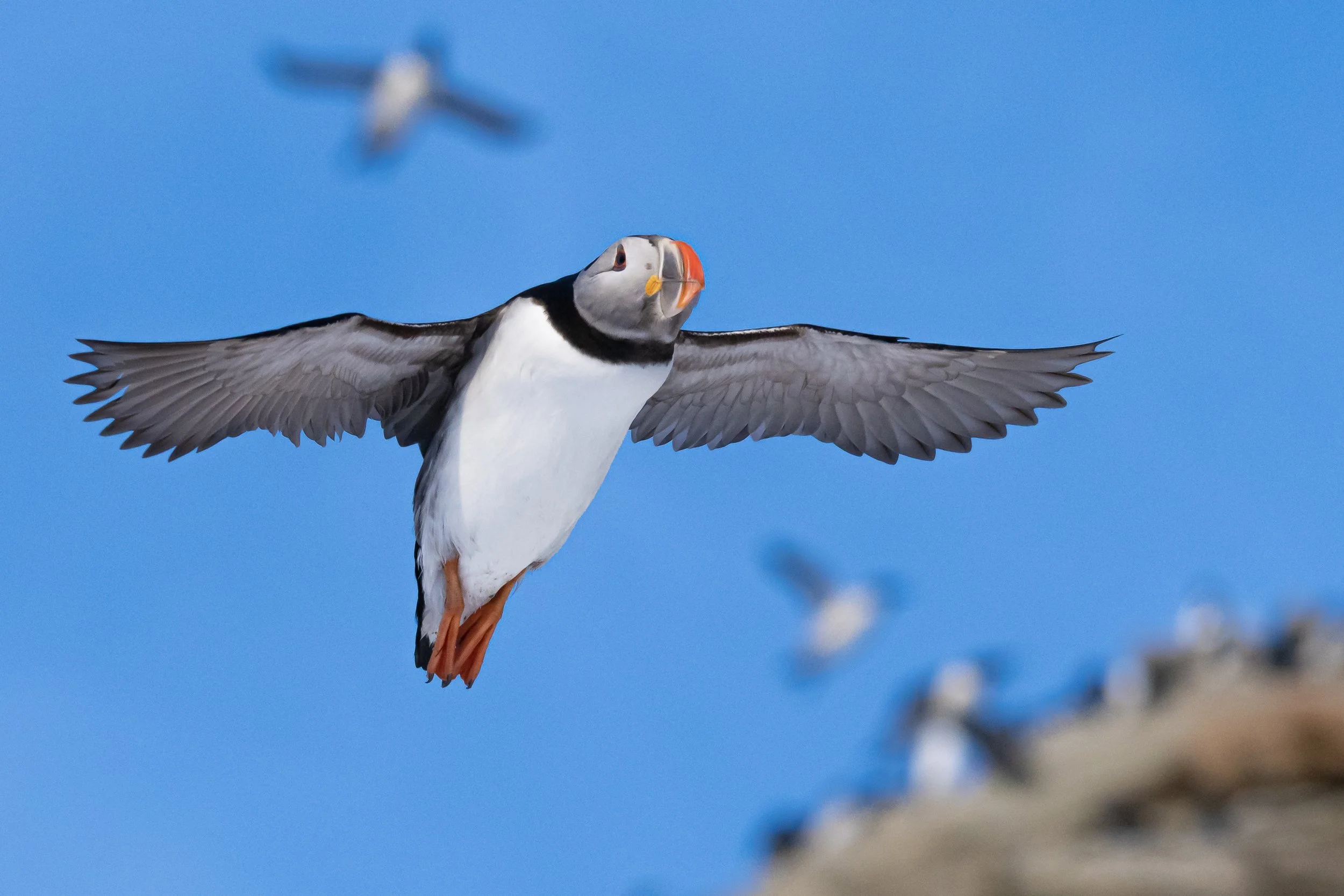
PUFFIN & ARCTIC WILDLIFE PHOTOGRAPHY WORKSHOP
April 13–19, 2027
(7 days / 6 nights)
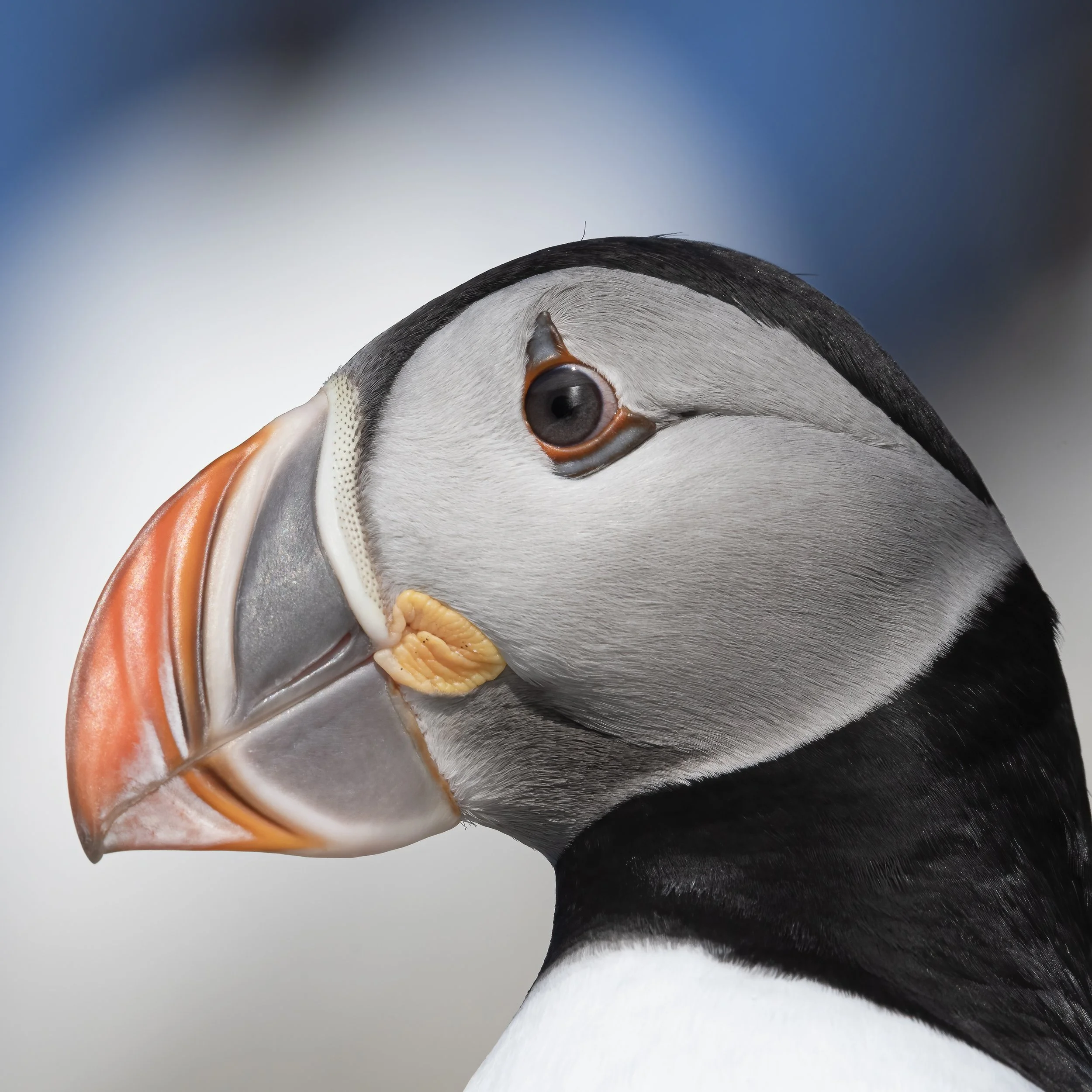
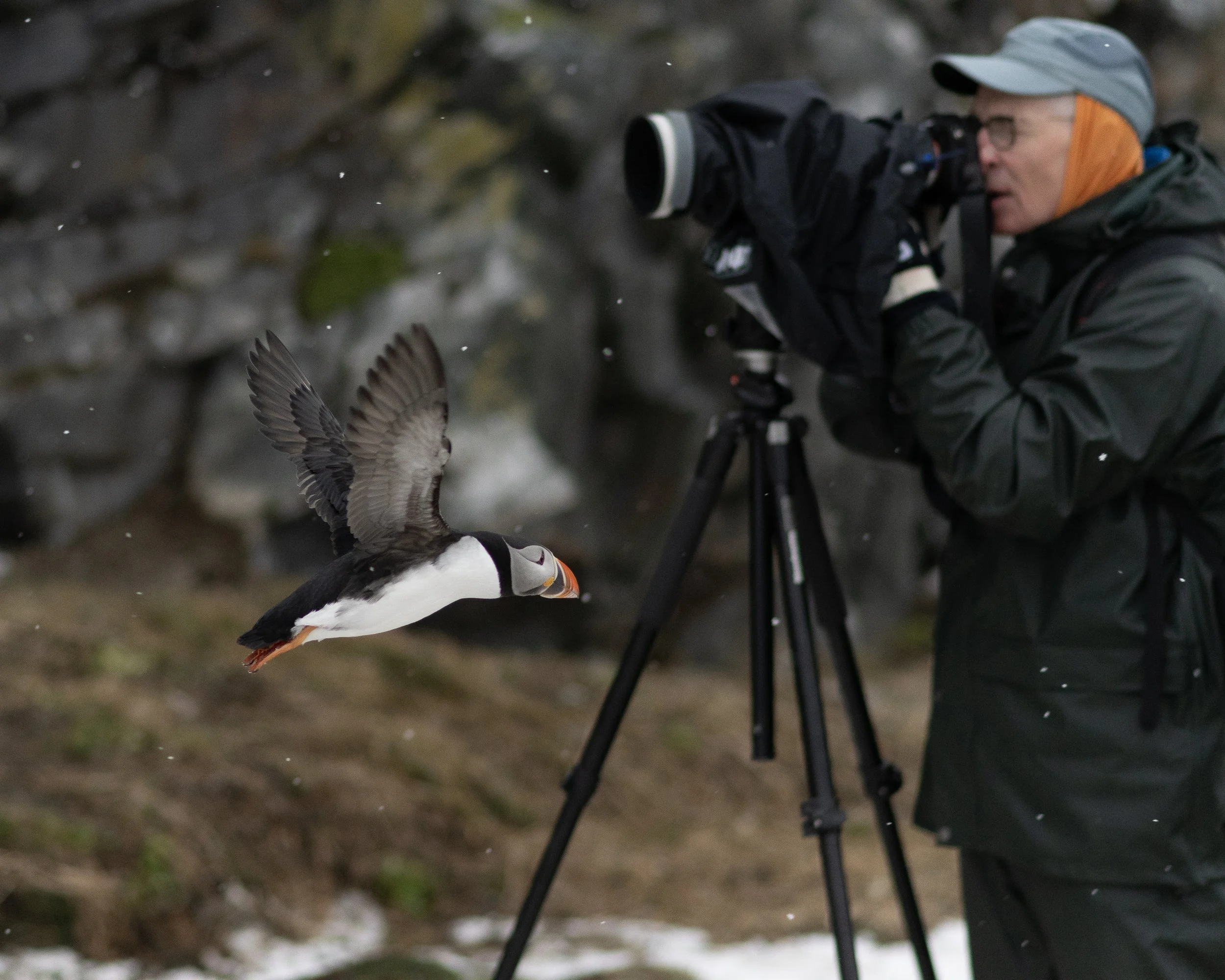
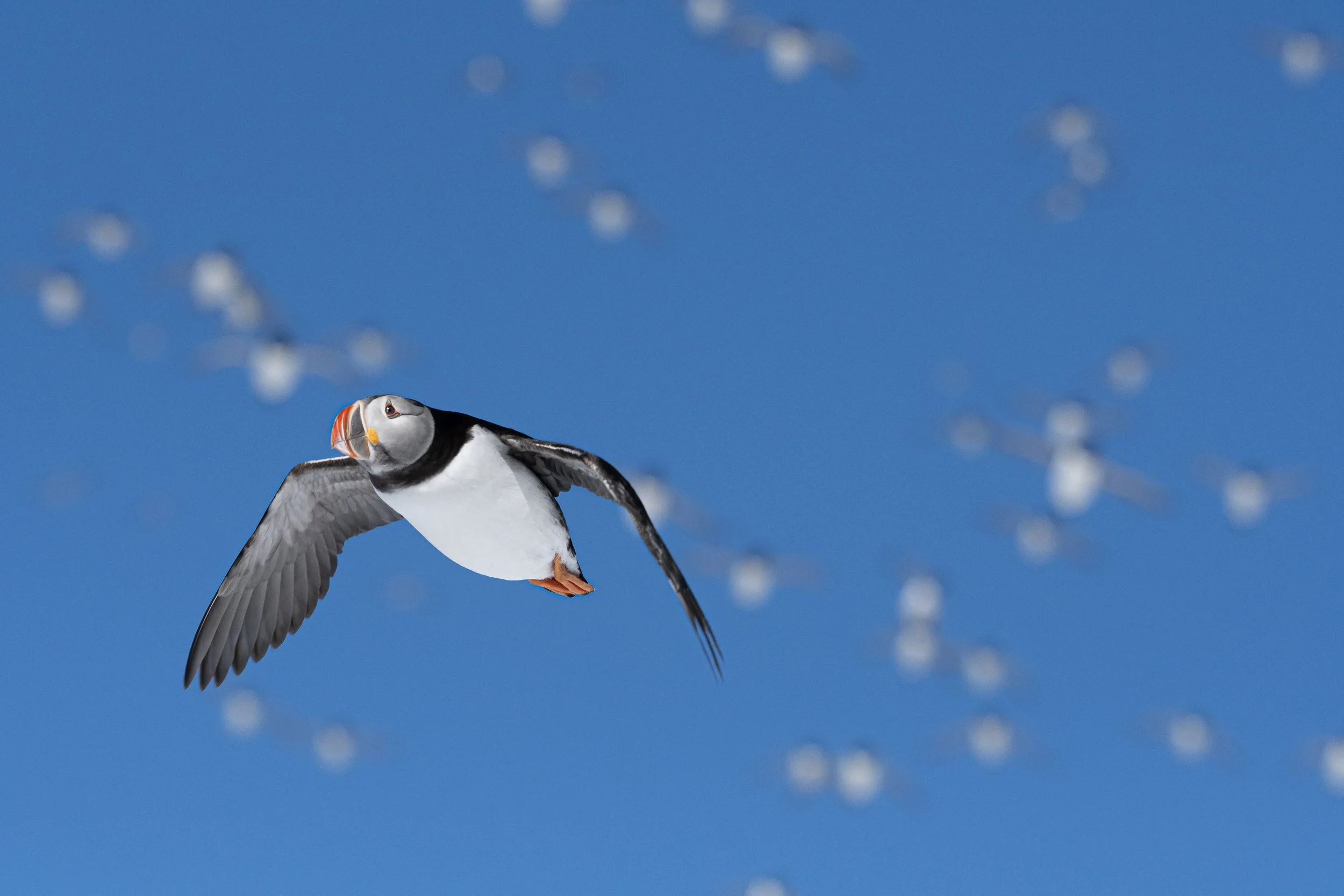
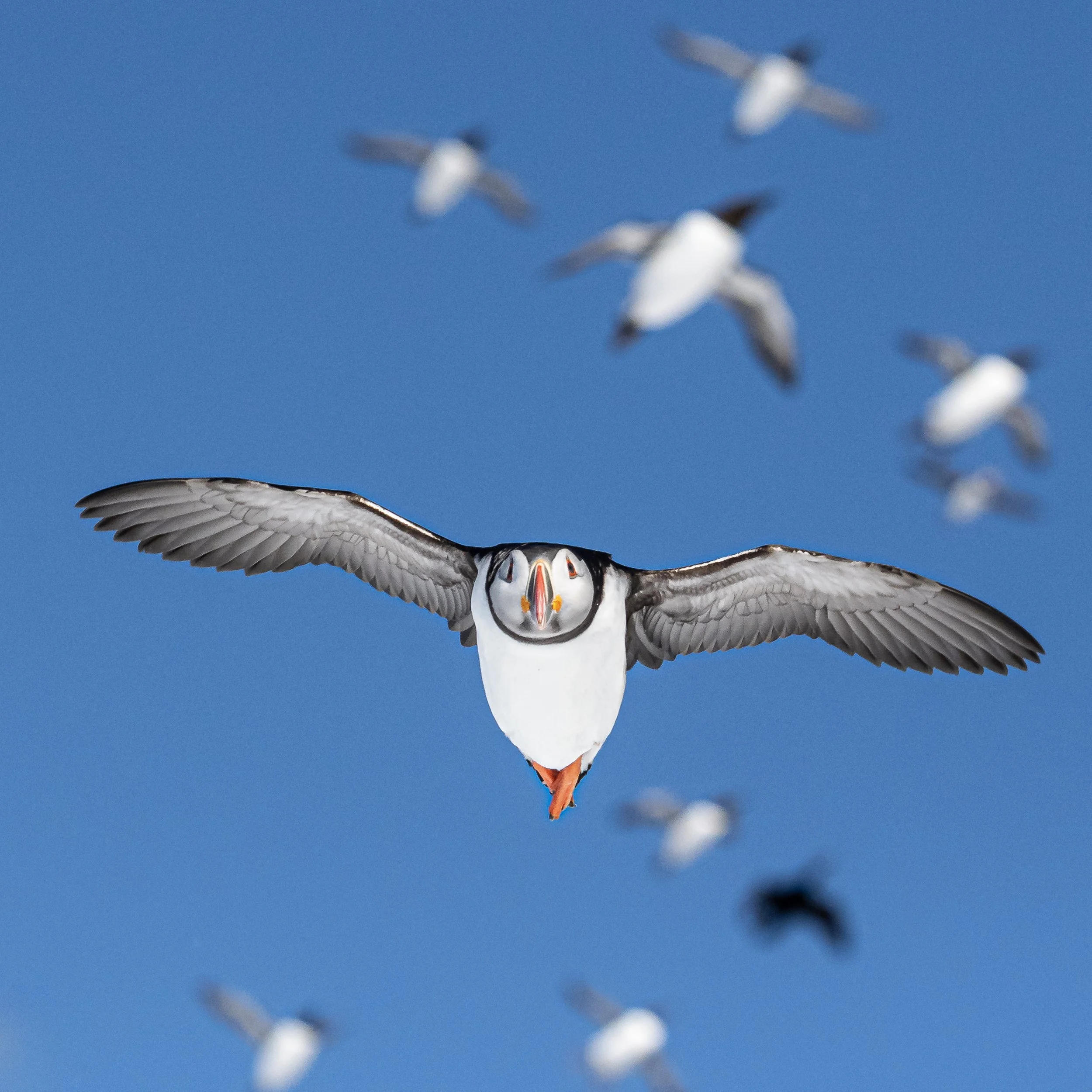
Varanger in April is one of the best places in Europe to photograph puffins up close — with the added bonus of a full Arctic cast around you. The birdlife is intense, the landscapes feel raw and wild, and the light can shift from soft and calm to dramatic in minutes, giving you endless variety across the week.
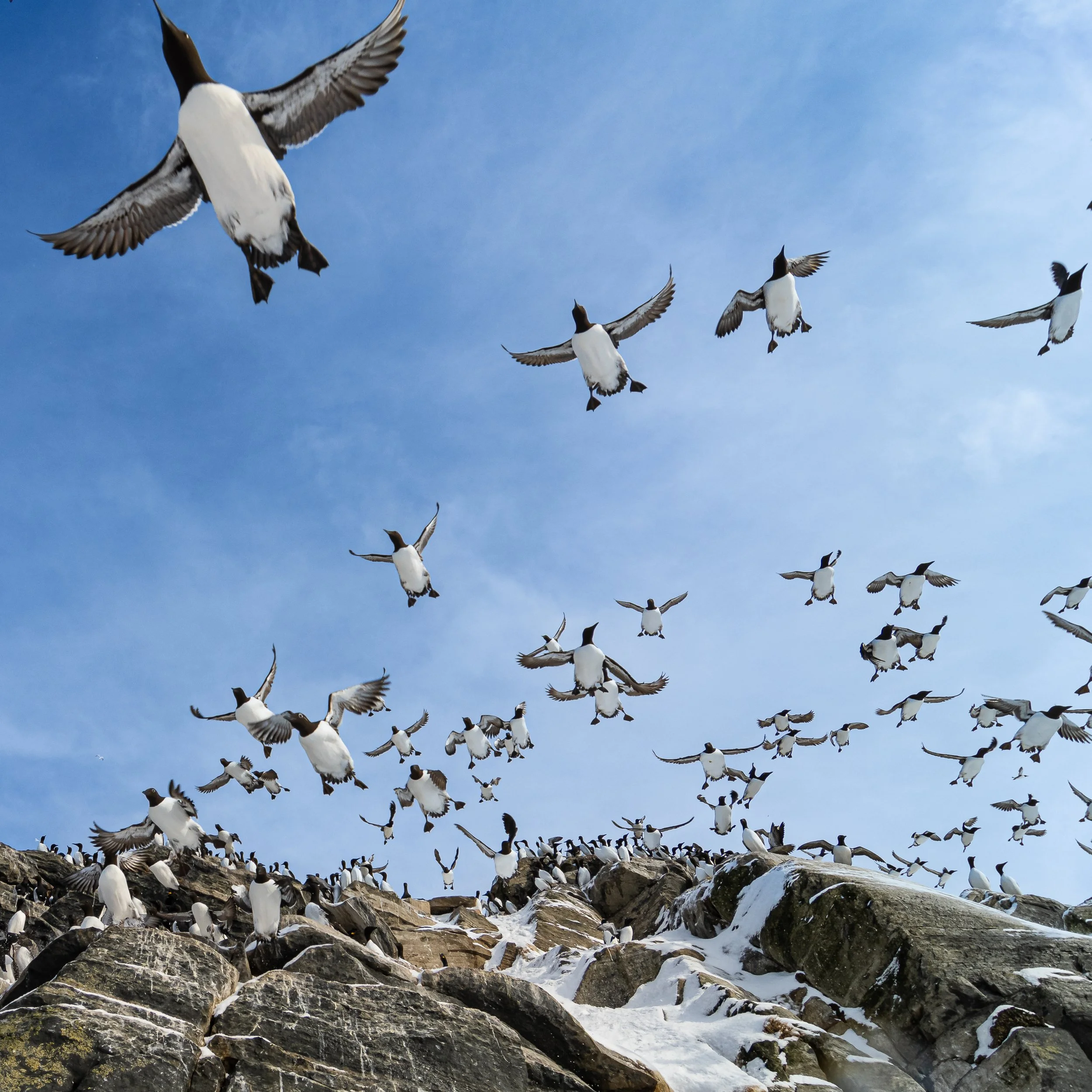
During this 7-day workshop we base ourselves in Vardø and spend serious time at one of Europe's best bird photography locations, including the legendary seabird cliffs of Hornøya, floating hides where you photograph eiders at water level, and dedicated White-tailed Eagle hides set in open Varanger landscapes.
The goal isn’t to rush through a checklist of spots, but to give you enough time to work the scene properly: refine compositions, dial in focus and exposure, and come home with images that feel deliberate and strong. And because this is Varanger, you can also get surprises: behavior on the cliffs, eiders , razorbills and guillemonts coming in close at eye level, eagles moving through the landscape, and the occasional seals and whales along the coast.
Quick facts
Dates: April 13–19, 2027 (7 days / 6 nights)
Base: Vardø Hotel, Vardø
Arrival & departure: Vardø Airport (VAW)
Instructors: Terje Svendsen & Bjørn Joachimsen
Group size: Max 12 (max 6 per instructor)
Transport: Workshop transport in vans
Meals included: Breakfast at the hotel (lunch + dinner not included)
Focus: Puffins + Arctic bird and wildlife photography in coastal/tundra landscapes
Level: Beginner to advanced (coaching adapted to you)
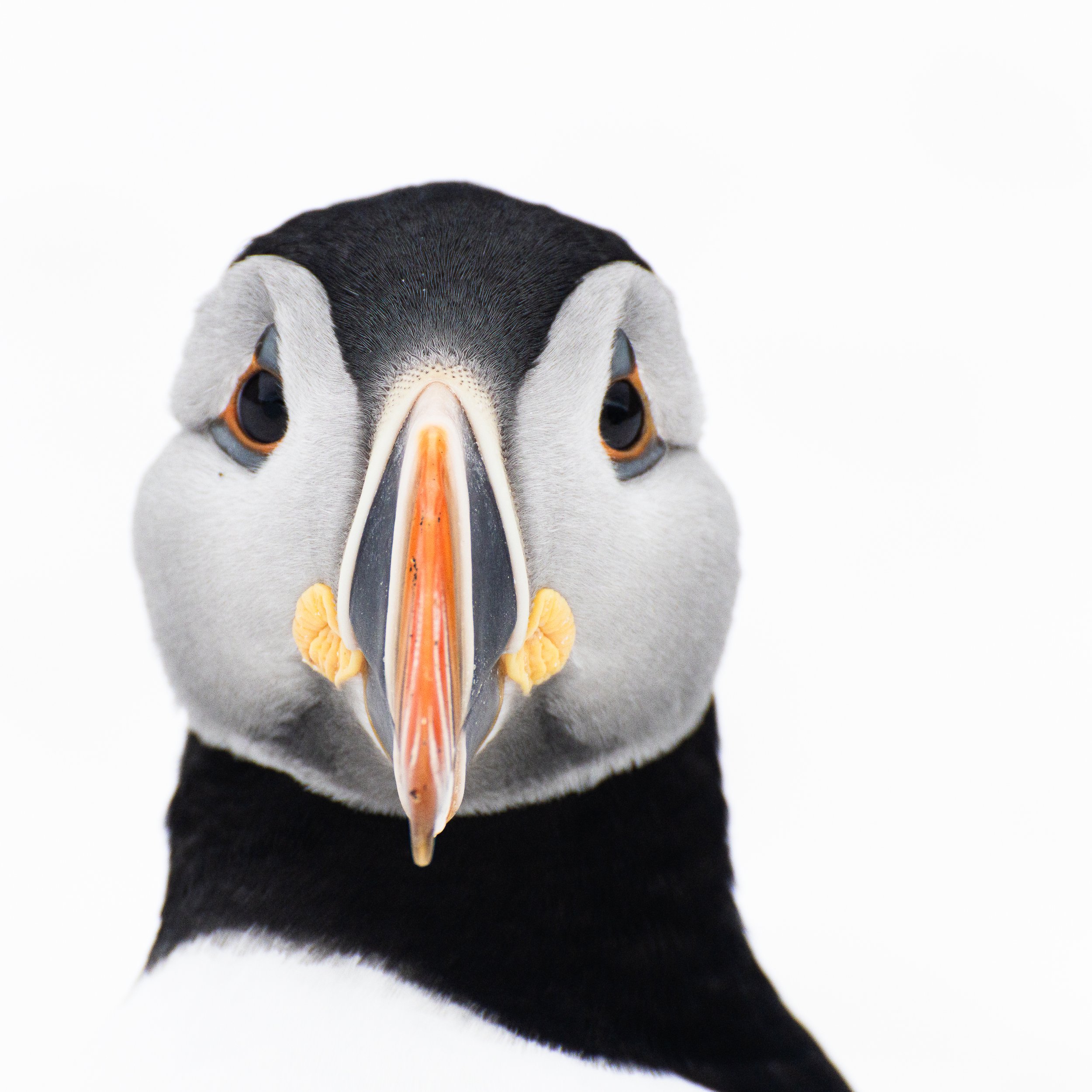
Birds and wildlife you can photograph
Wildlife is always nature-dependent, but Varanger in spring offers a stacked lineup. Depending on timing, conditions, and daily movement, you may get opportunities for:
Hornøya (seabird cliff)
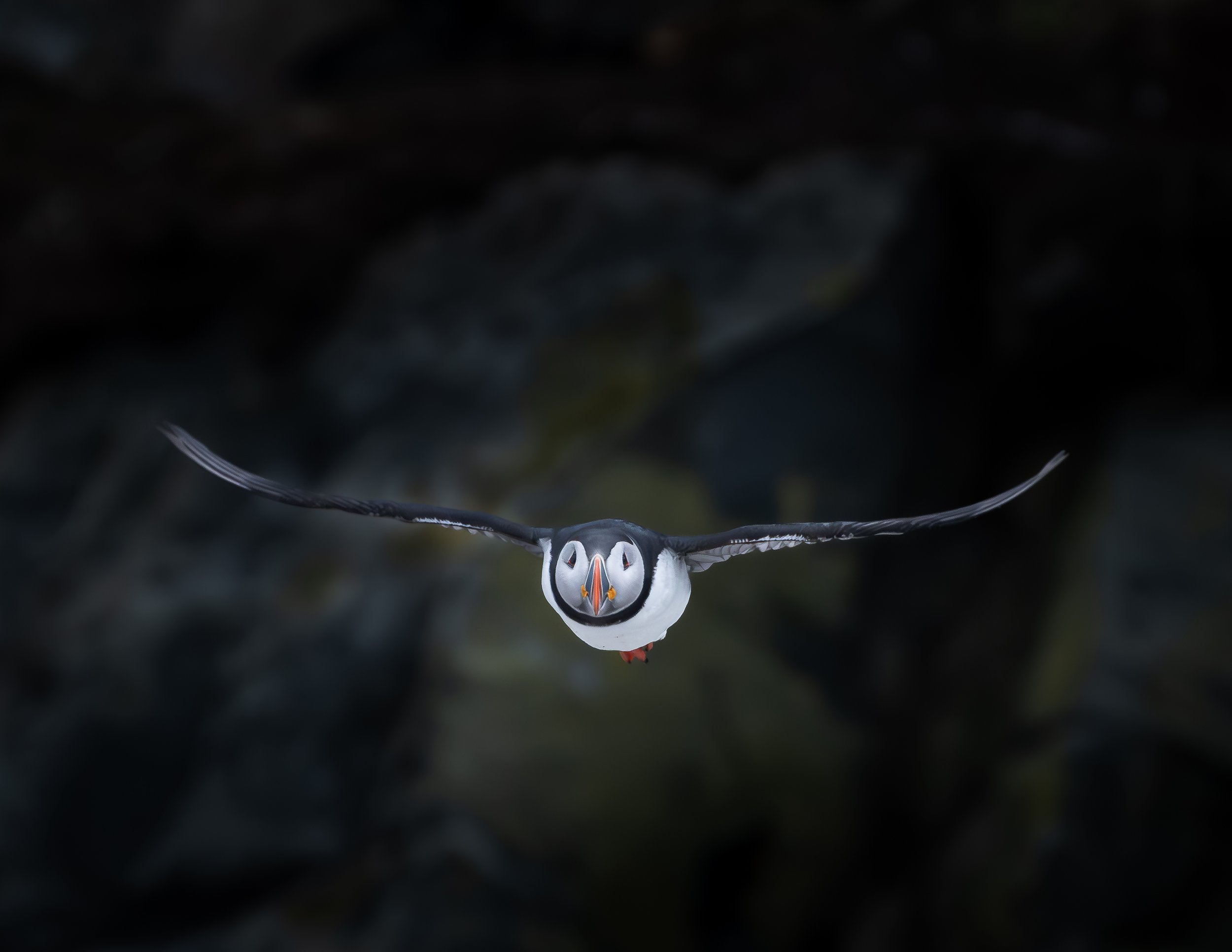
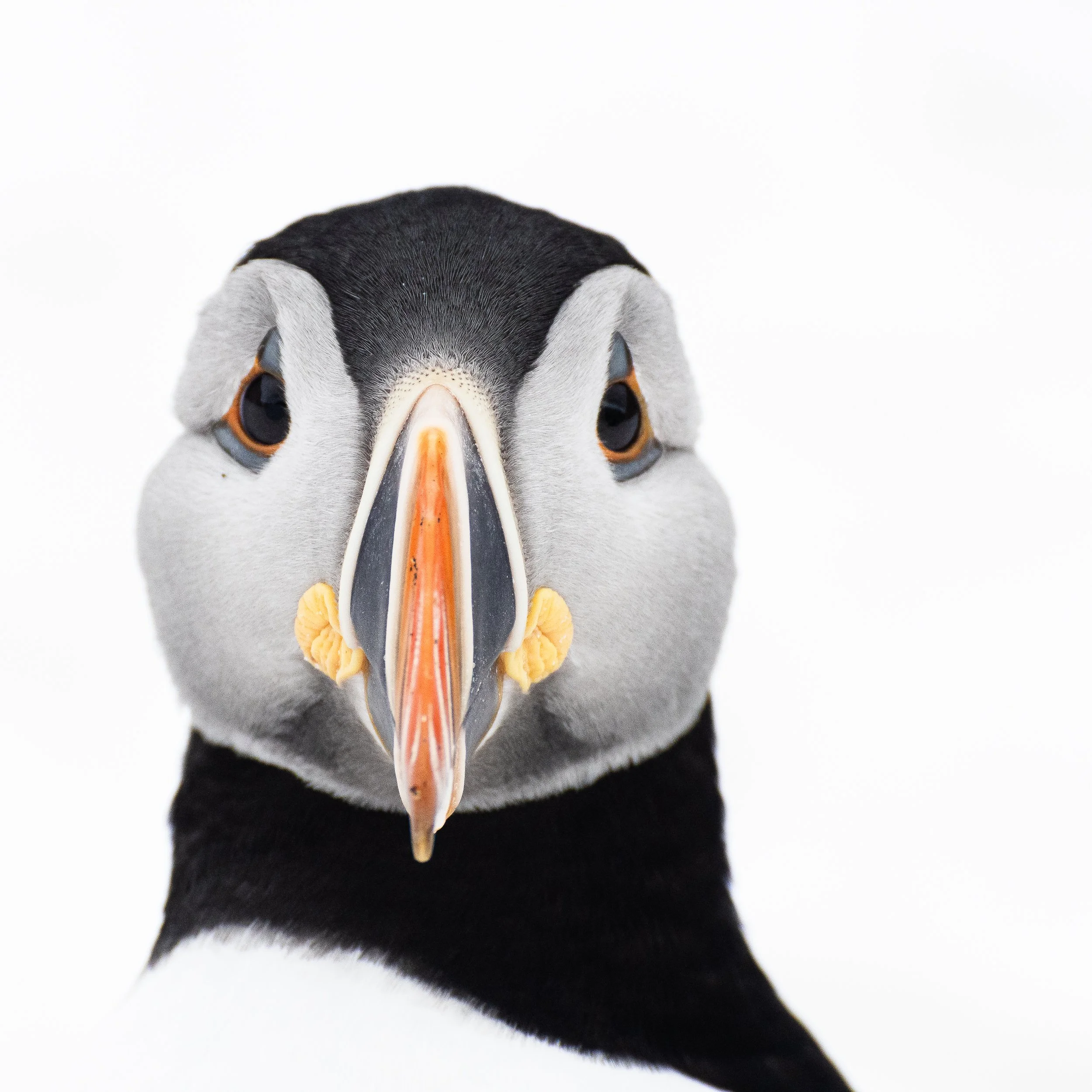
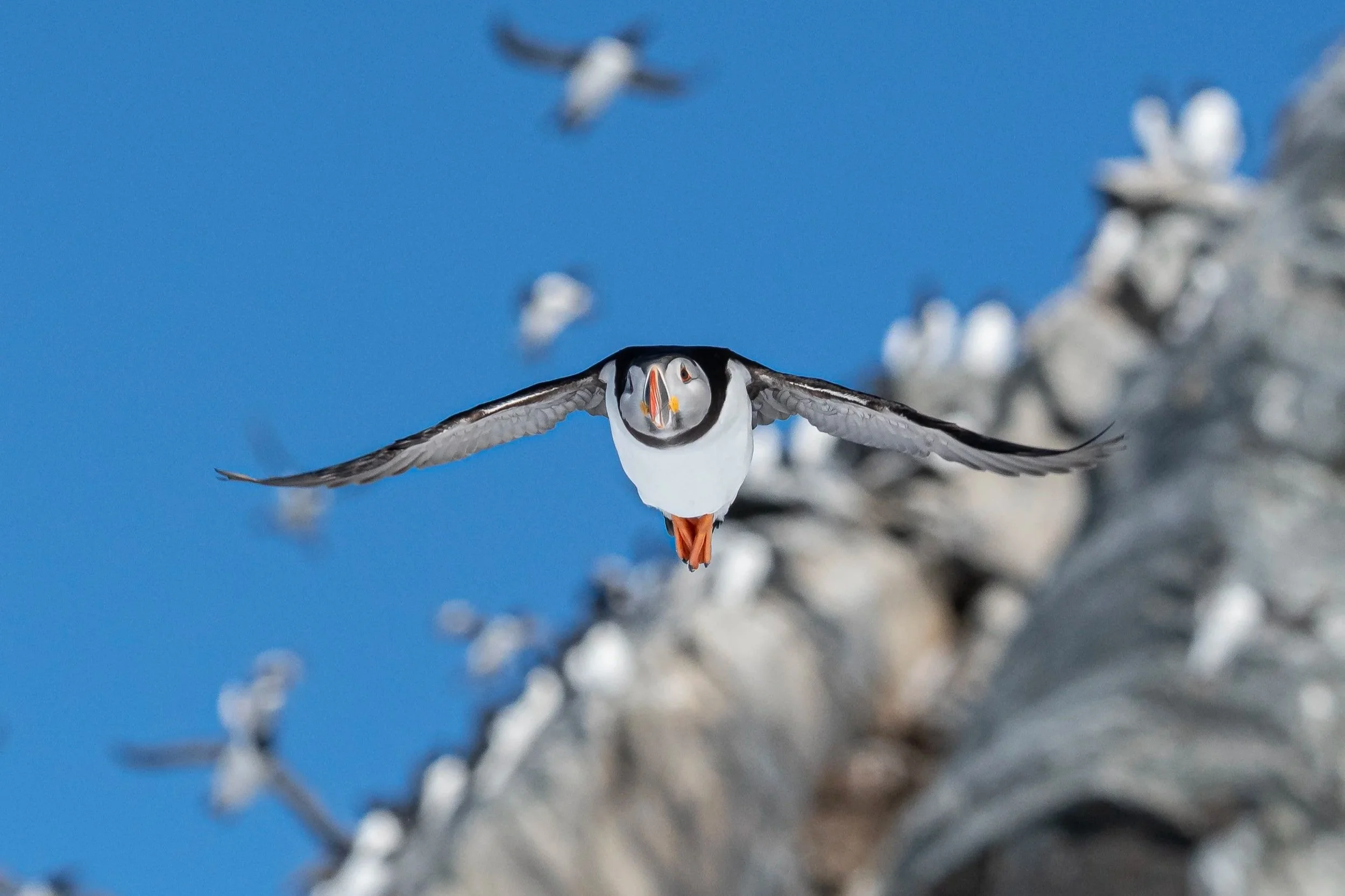
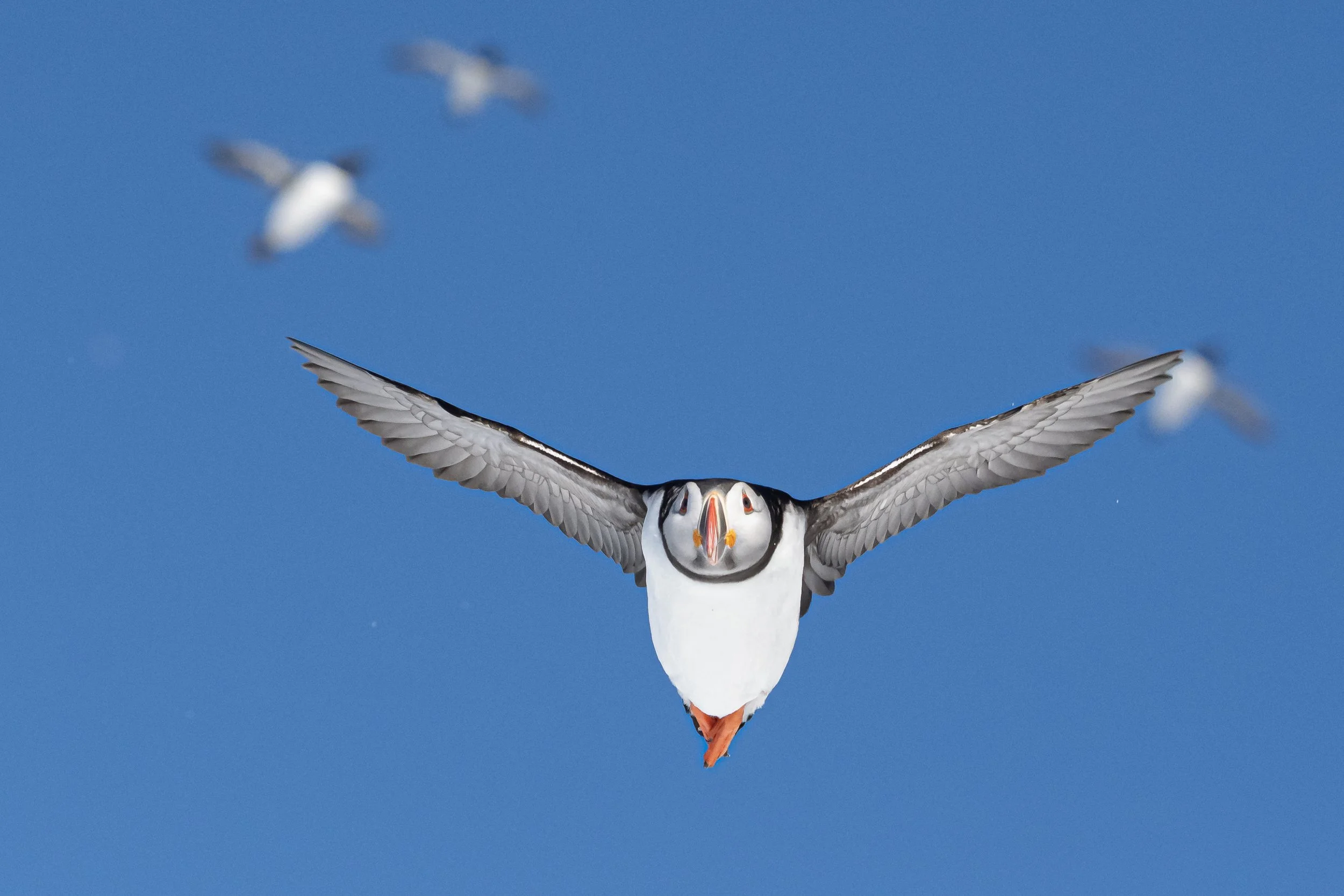
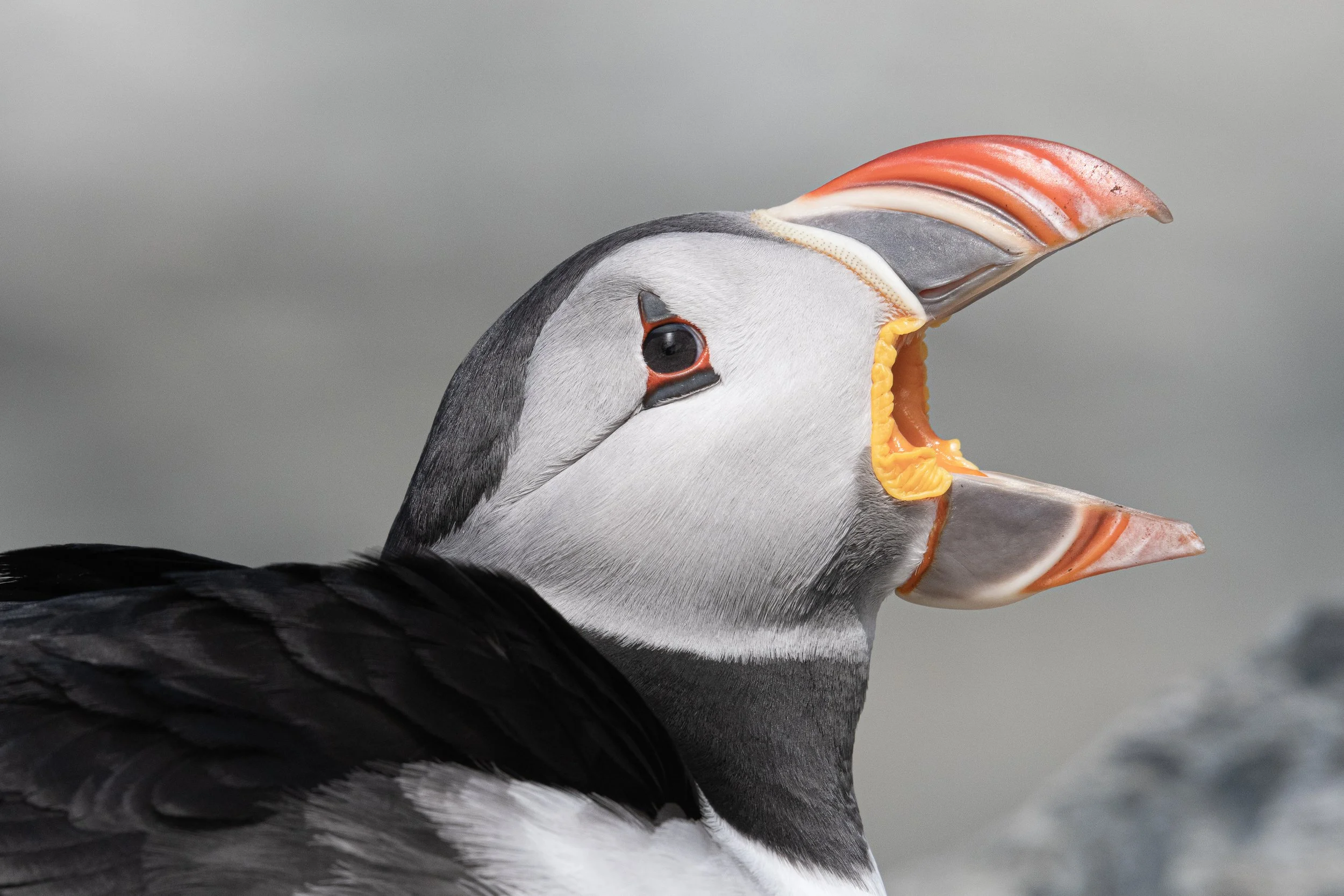
Atlantic Puffin
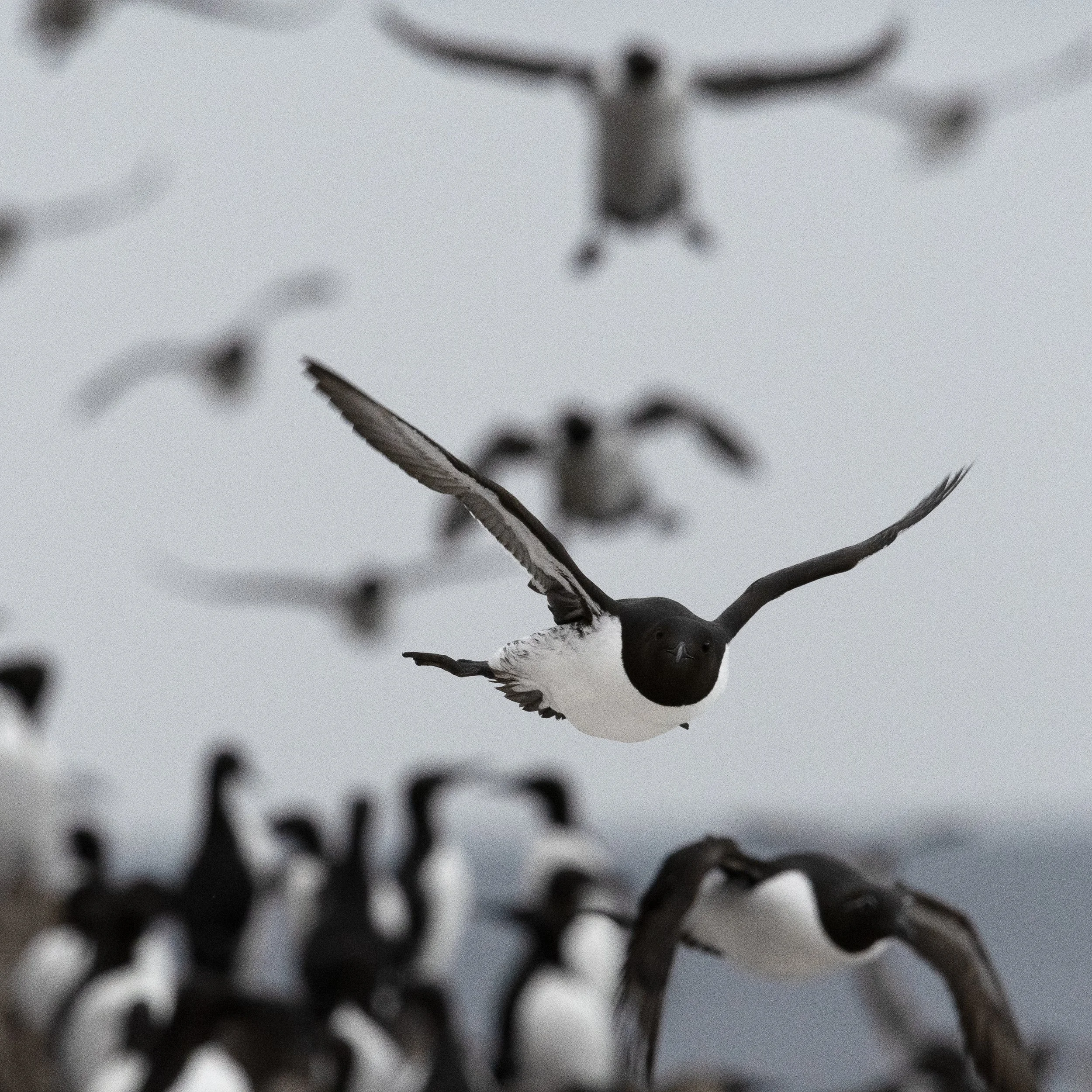
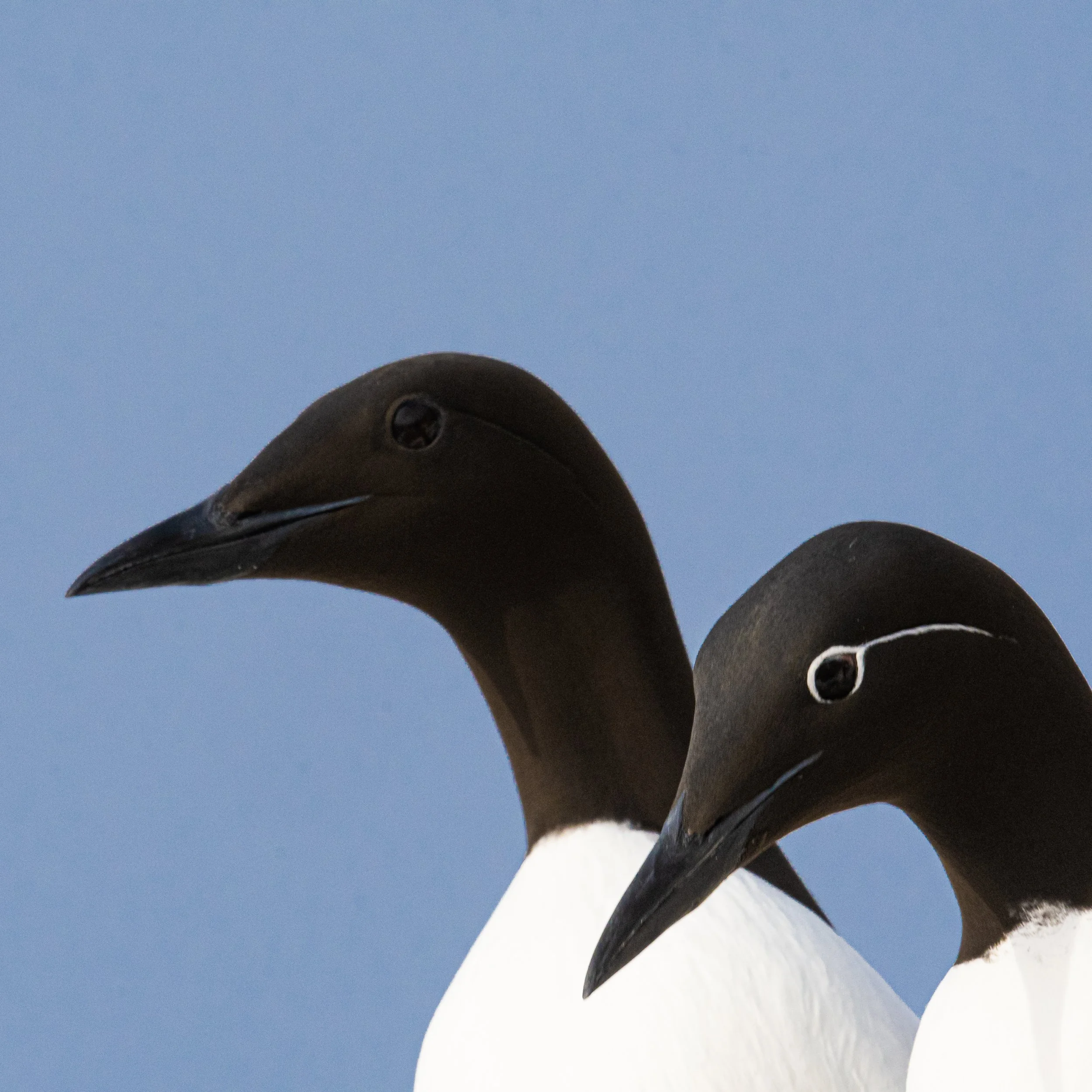
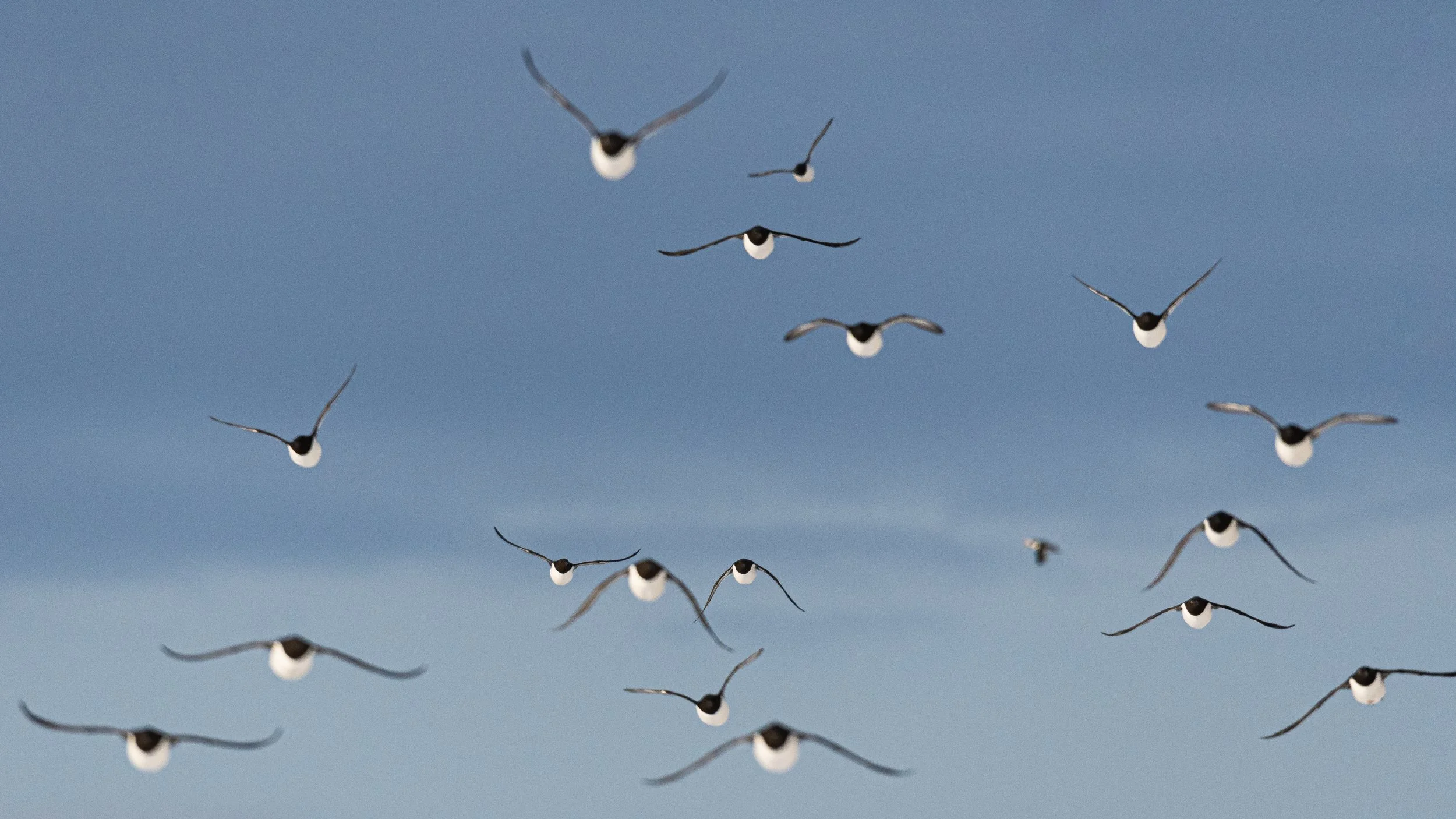
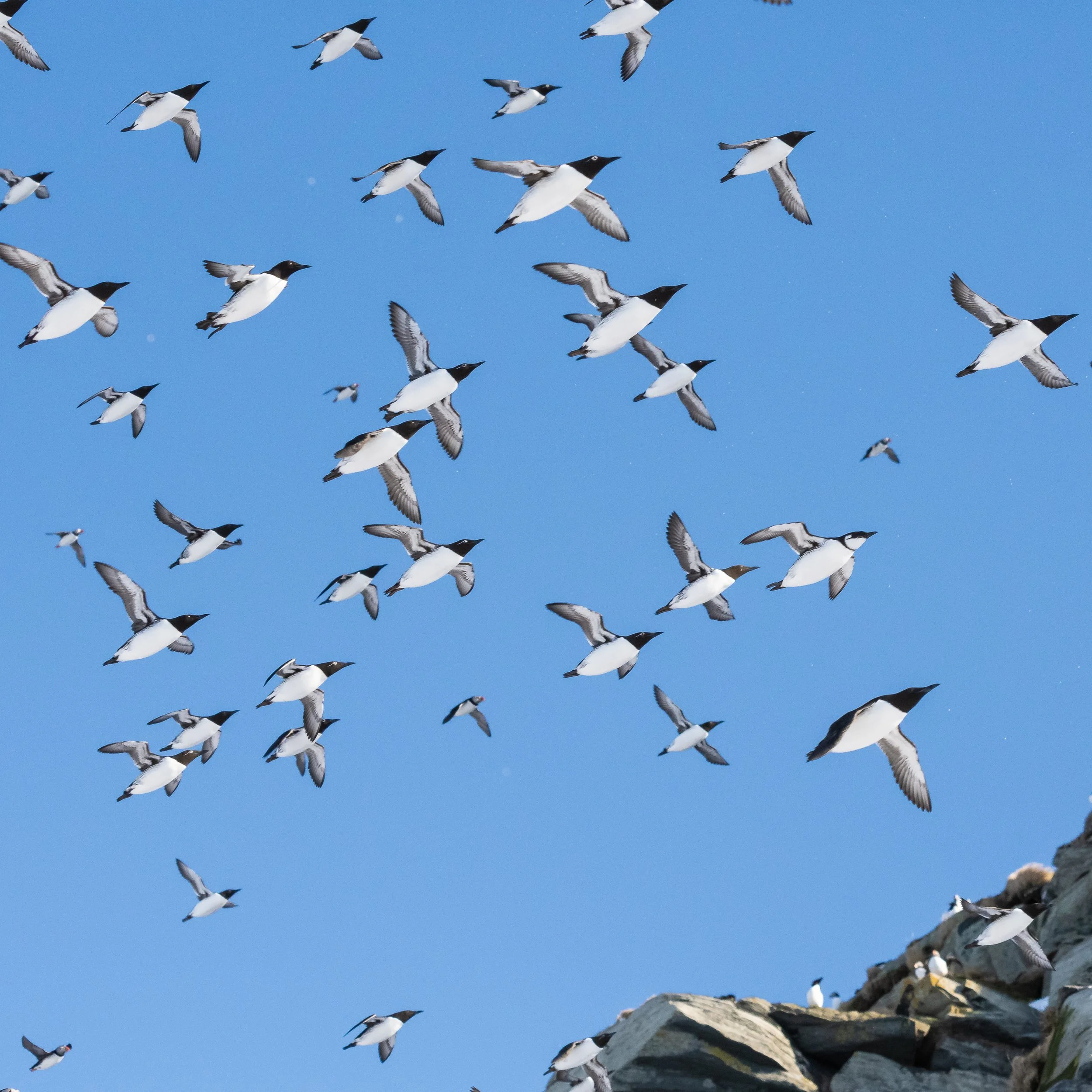
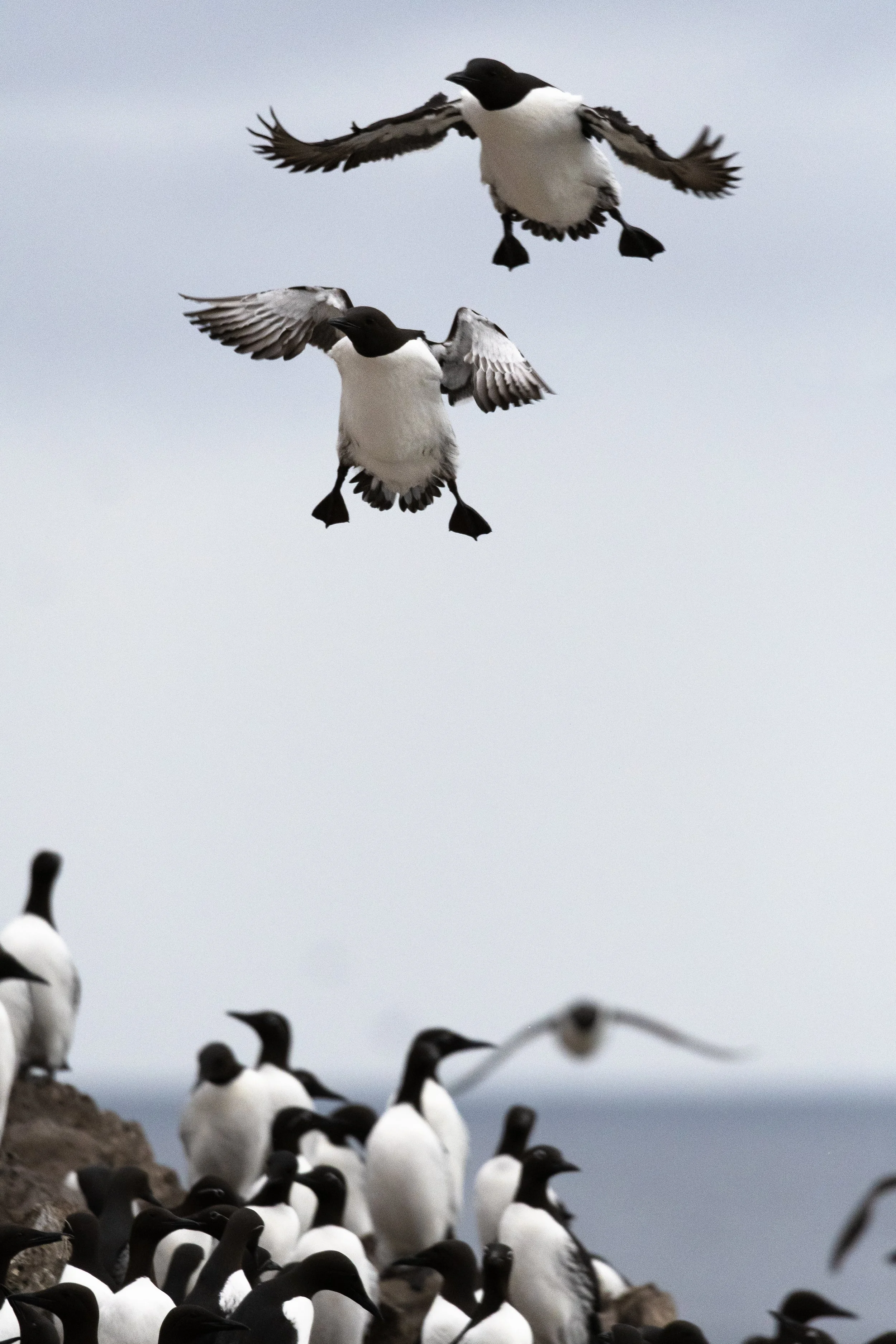
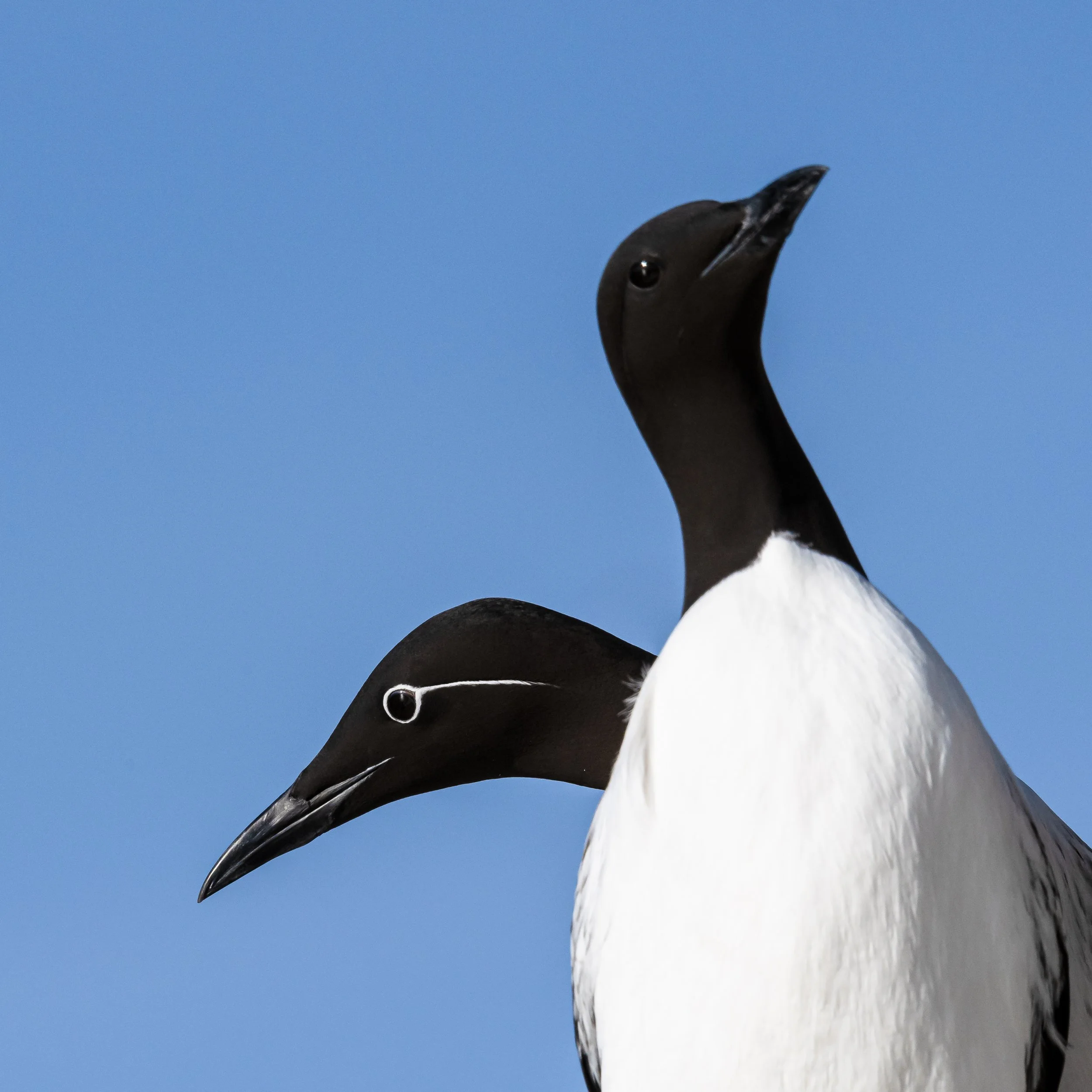
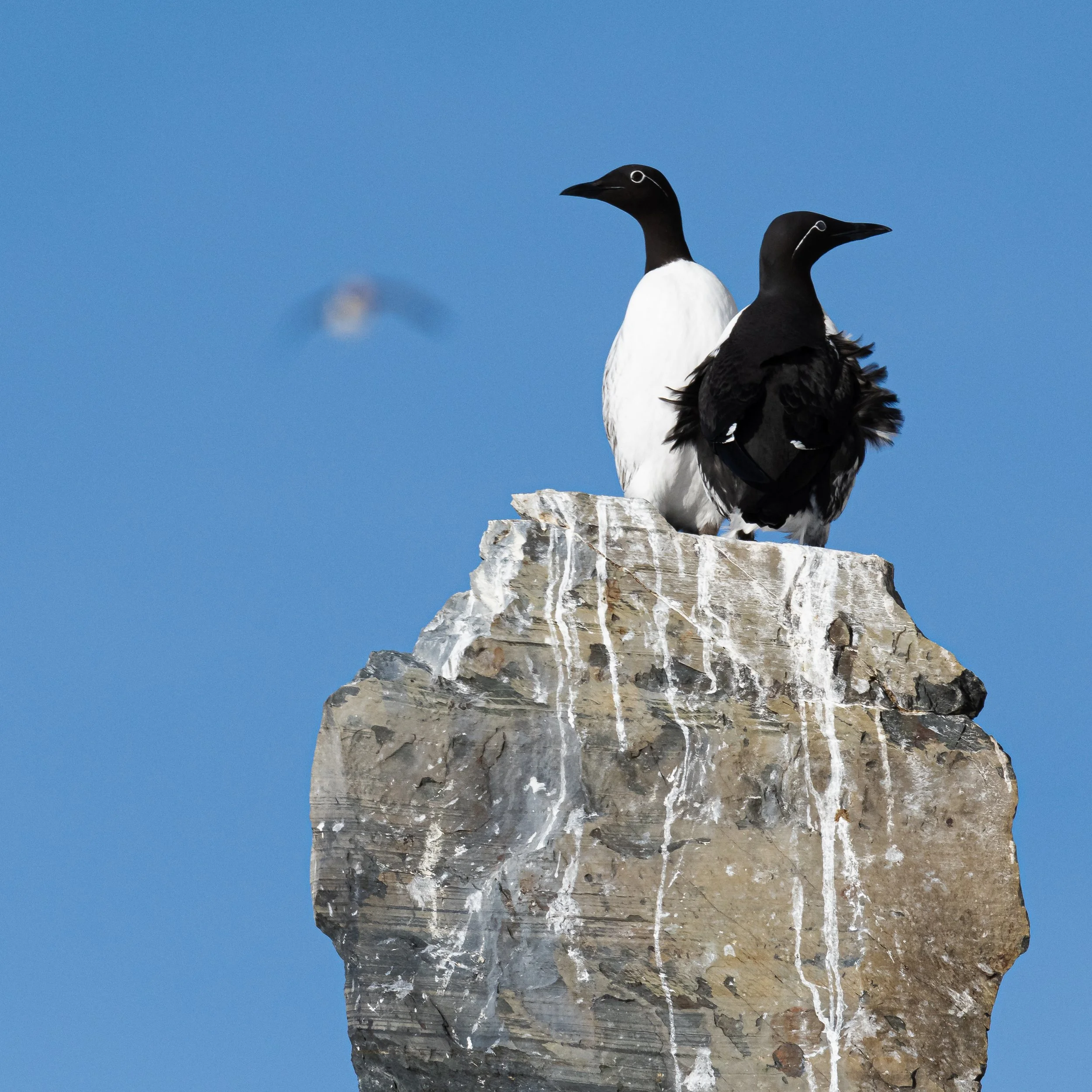
Common Guillemot
Brünnich’s Guillemot
Black-legged Kittiwake
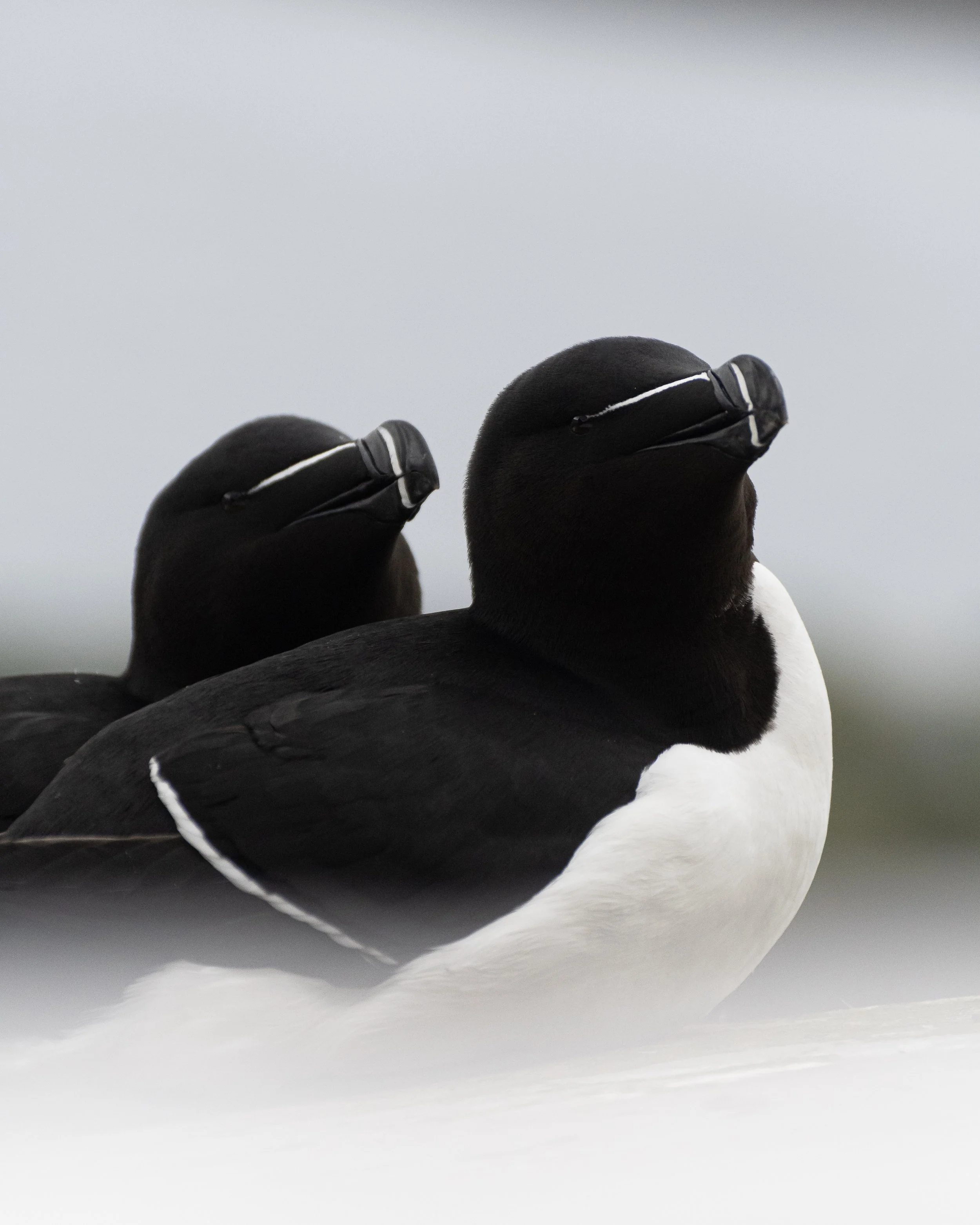
Razorbill
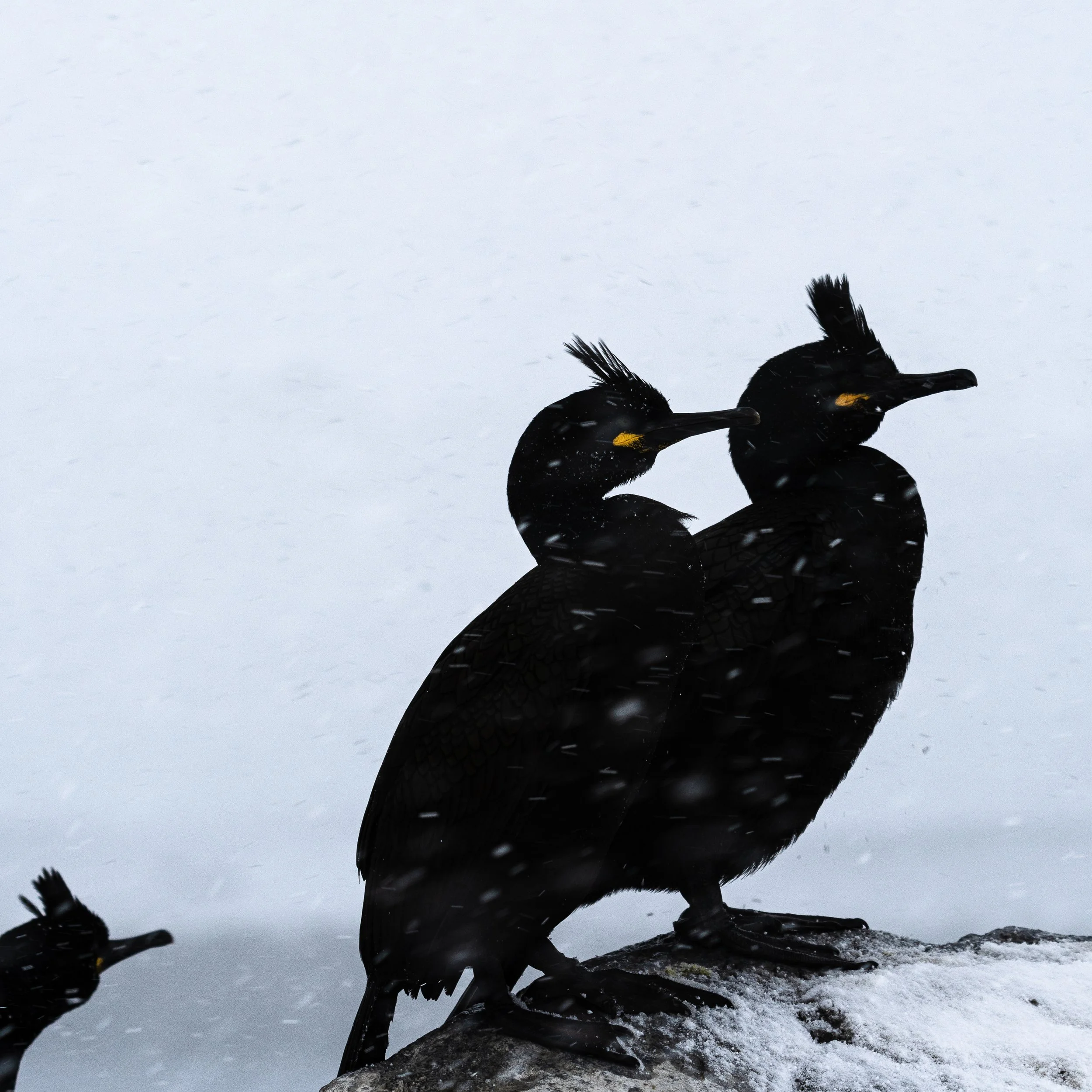
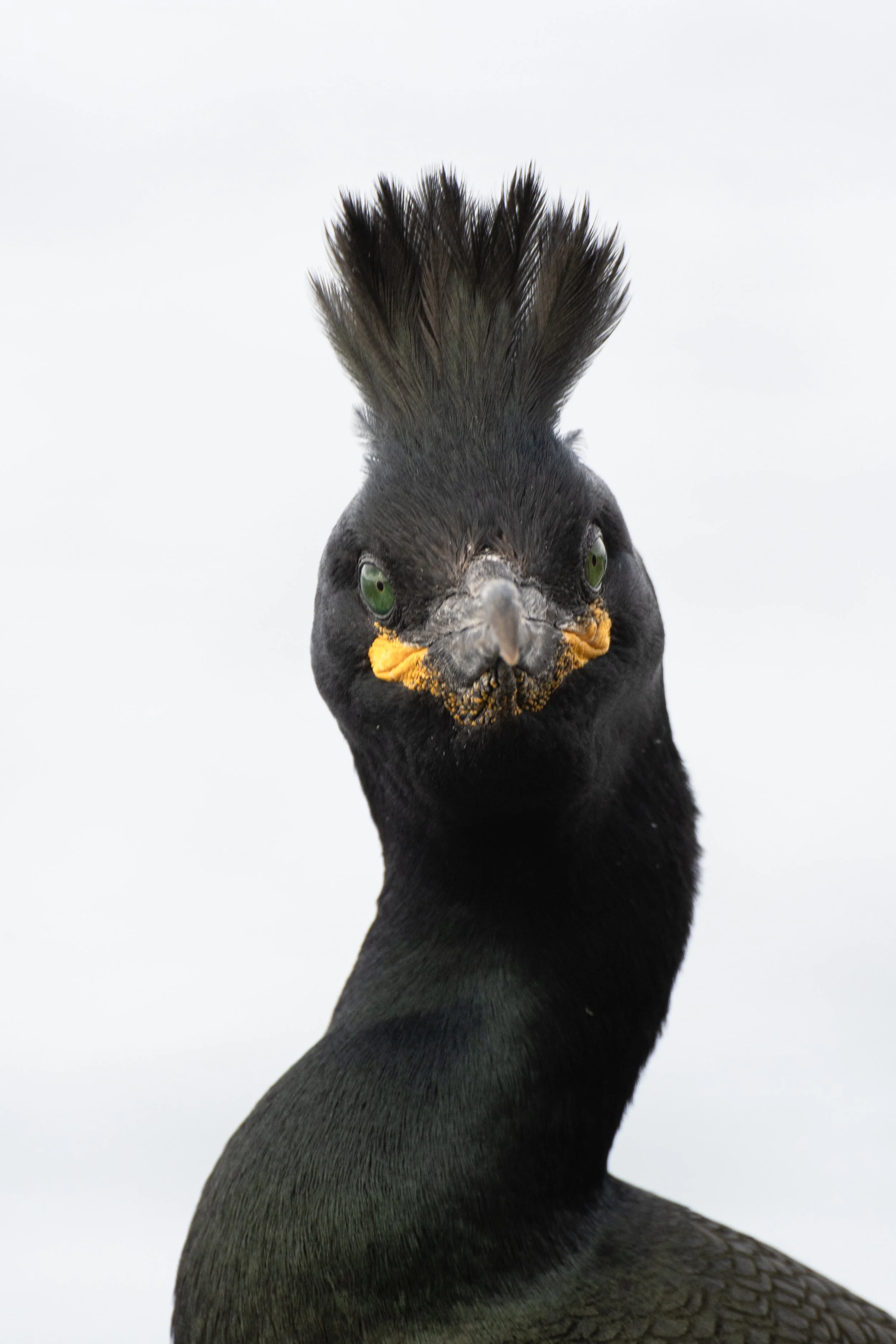
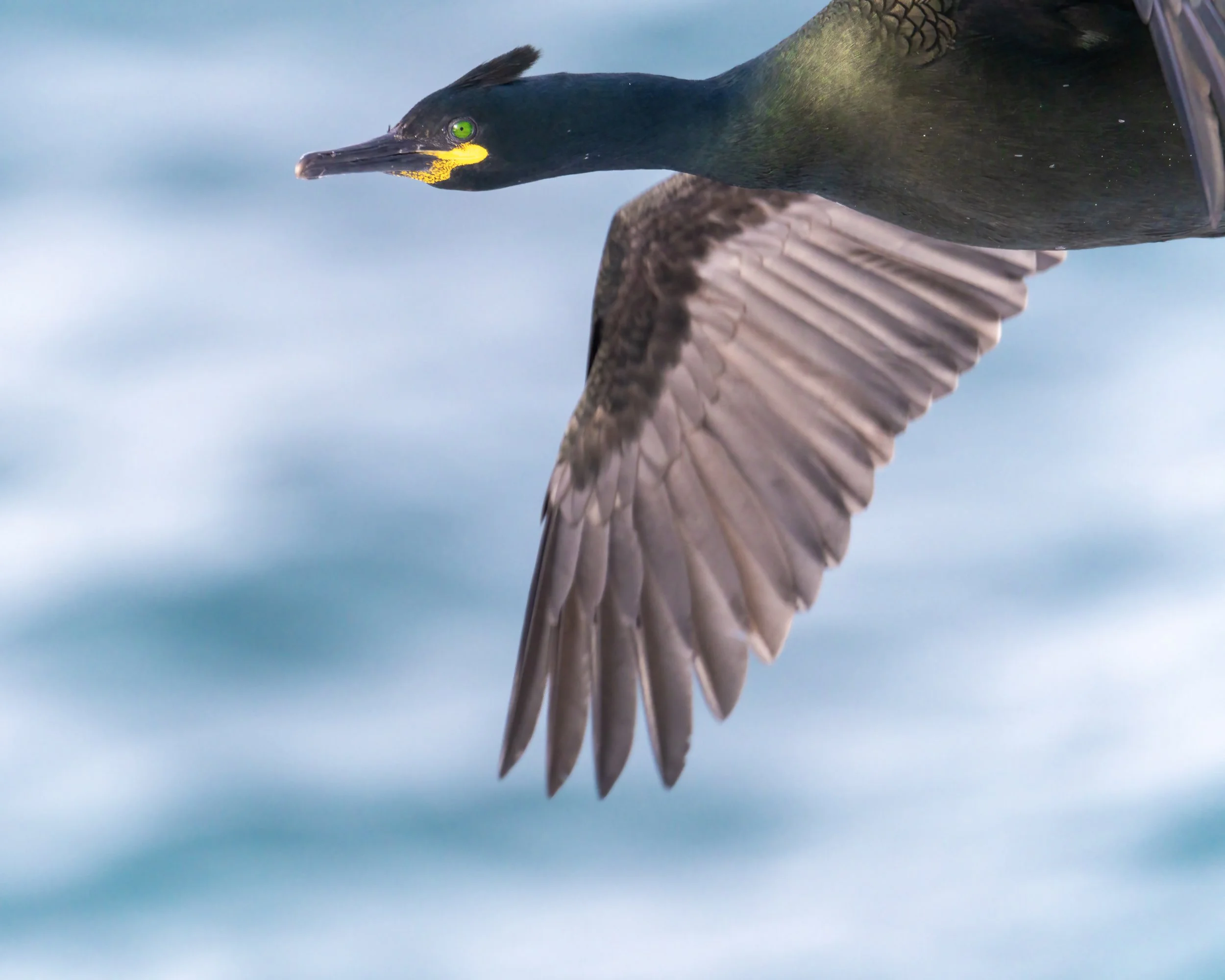
Cormorants and European Shags
Black Guillemot
Predators hunting the colony: White-tailed Eagle and sometimes Gyrfalcon
Floating bird hide (water-level photography)
Common Eider
King Eider
Steller’s Eider
Long-tailed Duck
Seasonal gulls including Glaucous Gull
Occasional bonus visitors: Harbour Seal near the hide
Ekkerøy + Kiberg + coastlines
Kittiwake colony at Ekkerøy + coastal “environmental” bird photography
Waders, gulls, and migration activity depending on conditions and season
Regular chances for White-tailed Eagle movement along the fjord
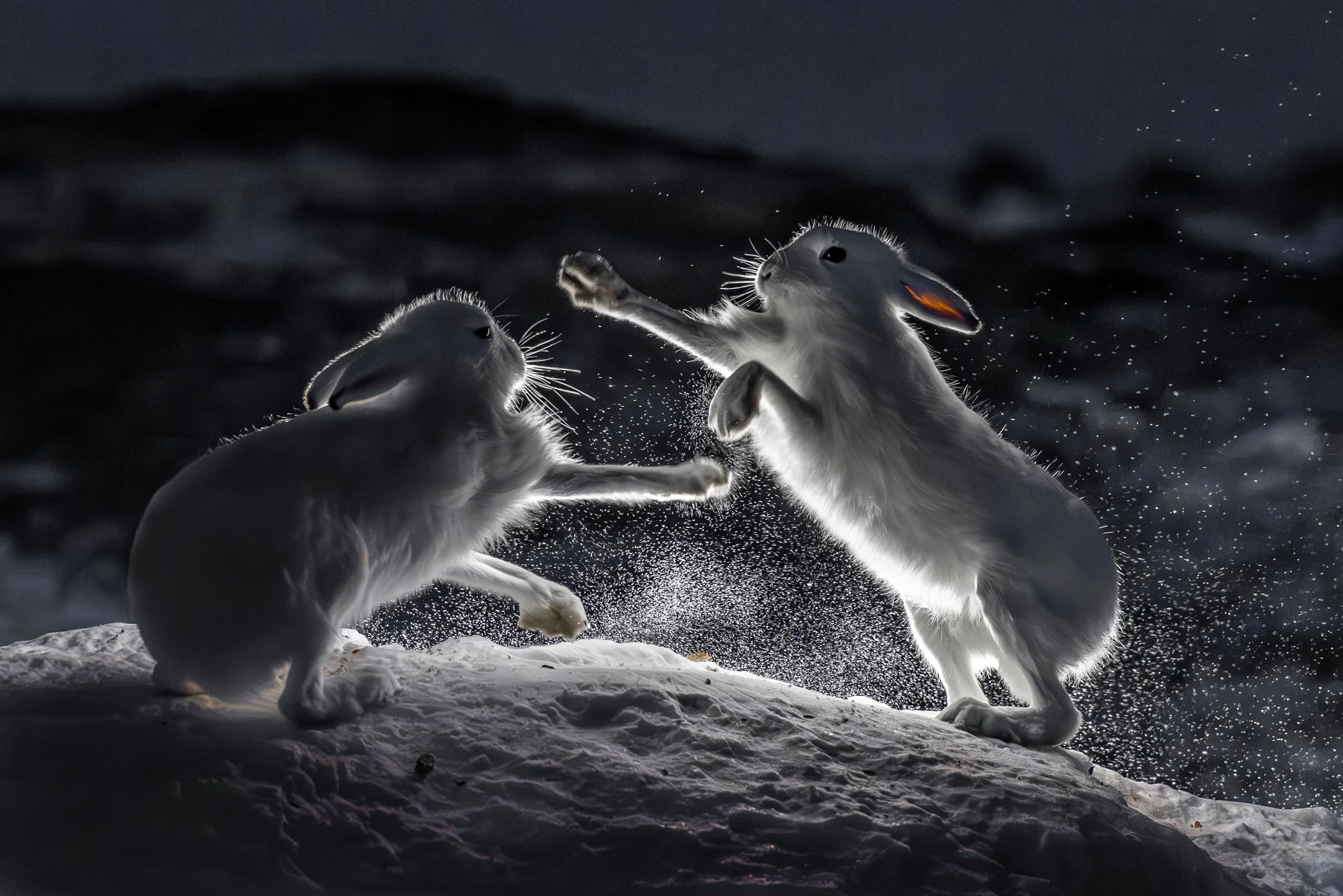
Possible mammals in the area (more “if we’re lucky”): Arctic hare, Arctic fox, seals
(Orca / beluga are rare extras in the wider Varanger area and never something to plan around.)
Submarine bird and seal hide (underwater perspectives)
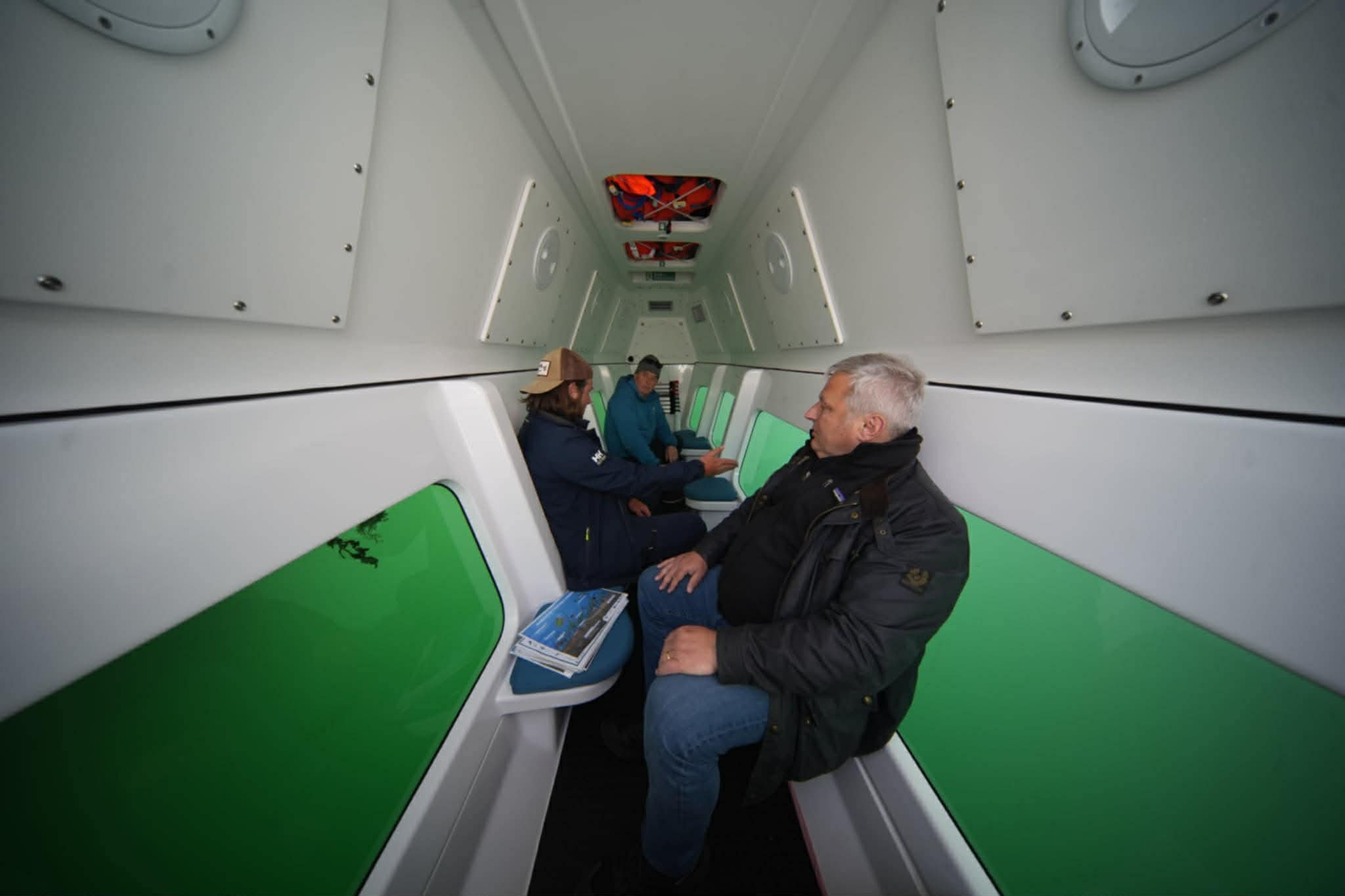
Underwater bird photography from a dedicated submarine hide — a rare chance to capture birds below the surface
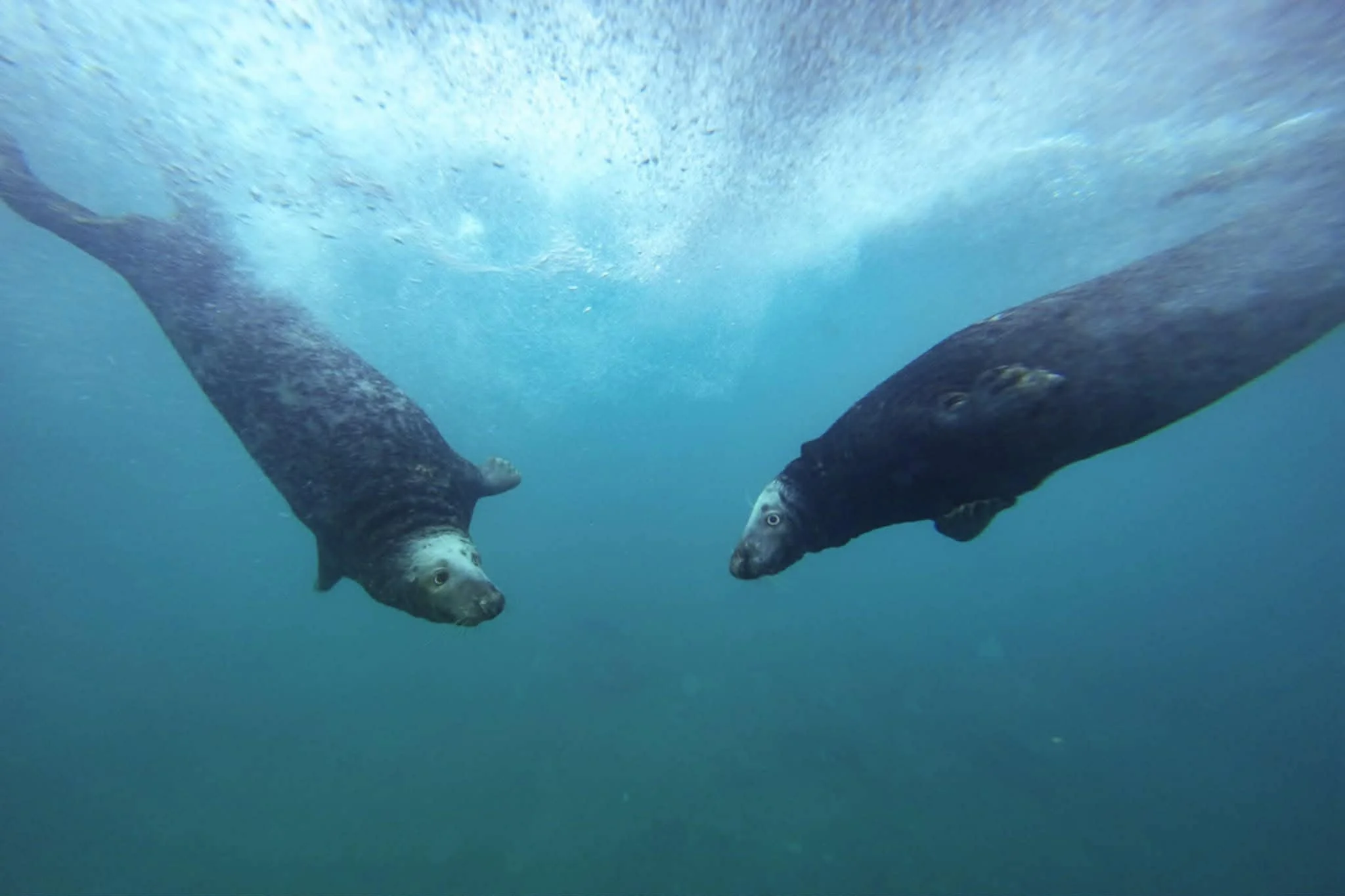
Depending on conditions, opportunities to photograph seals during the same session
A completely different look and storytelling style compared to cliffs and shoreline shooting
What to expect
On-location coaching: We work with you in the field all day (settings, focus, timing, composition, backgrounds)
Individual coaching (optional): If you want 1:1 help on specific challenges (birds-in-flight, camera setup, editing, composition), we’ll make time for it during the week
Small-group learning: Max 6 participants per instructor for real personal guidance
Time on location: We plan enough time at each stop — no rushed photo drive-bys
Flexible planning: Weather and bird activity decide the final schedule — we adapt daily
Editing + reviews: Optional Lightroom/Photoshop sessions and image feedback during the week
A proper community vibe: A week with people who are just as into birds and wildlife as you are
Wildlife ethics: We photograph responsibly and follow local reserve rules (especially on Hornøya)
A typical day rhythm
Timing changes with light and weather, but most days follow a rhythm like this:
Breakfast at the hotel
Morning field session (often the best activity/light window)
Midday break (warm-up, travel, scouting, optional mini review)
Afternoon / evening field session
Dinner (not included) — we coordinate meals as a group at the hotel
Optional short review/edit session on selected evenings
Day-to-day program
(Draft itinerary. Exact timing and order may change based on weather, boat schedules, and local conditions.)
Day 1 (April 13):
Arrival in Vardø + welcome briefing
Settle in and get ready for the week.
Arrivals at Vardø Airport (VAW) and transfer to Vardø Hotel
Check-in, meet the group, practical briefing
Short local evening session if light/weather allow (warm-up shoot + camera setup check)
Day 2 (April 14):
Hornøya close-ups + underwater wildlife session
Puffins and cliff action in the morning, then a rare underwater perspective in the afternoon.
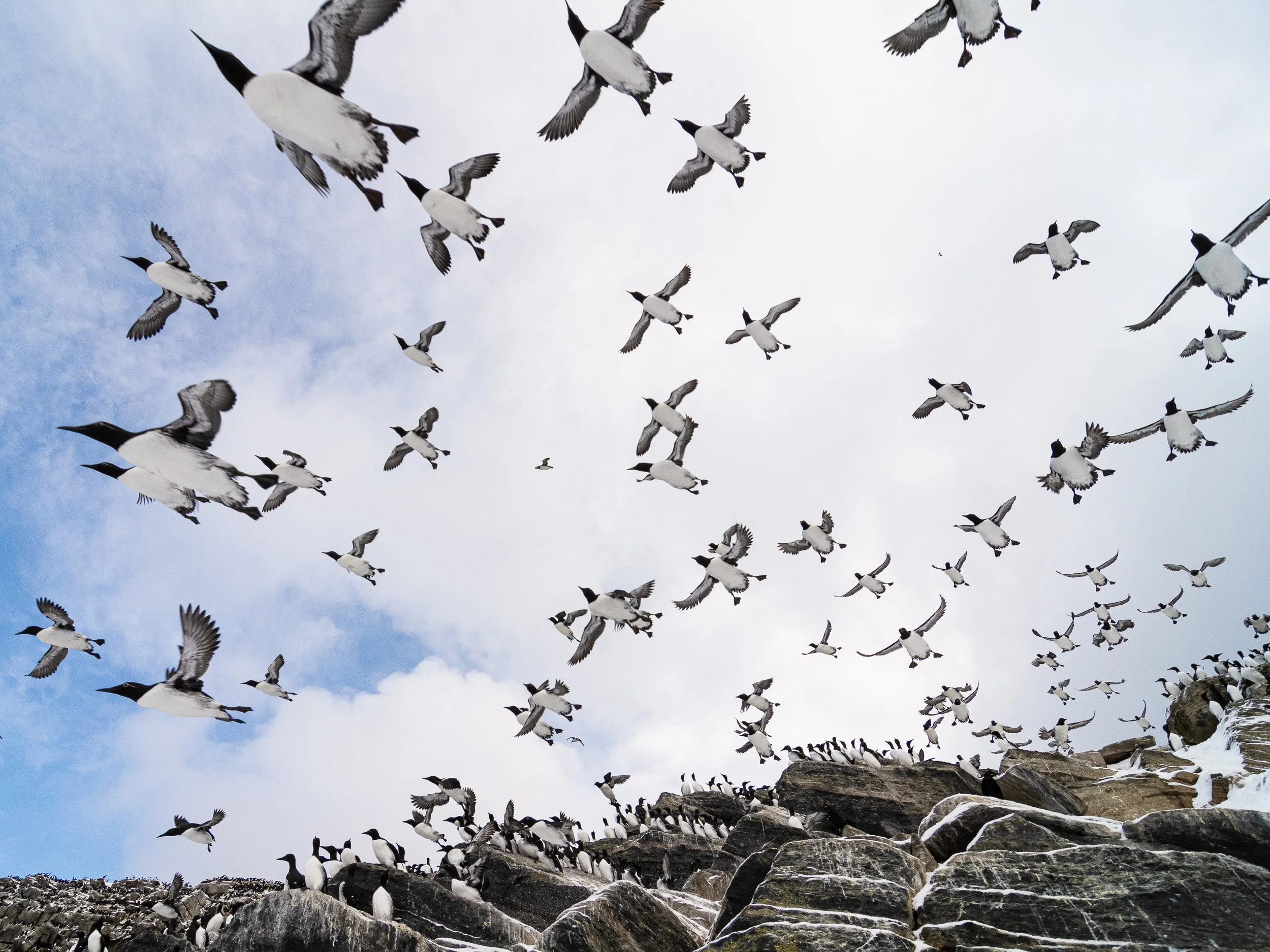
Morning: Hornøya (seabird cliff)
Close-range seabird photography with strong chances for puffins, plus guillemots, kittiwakes, and razorbills. Coaching on composition, backgrounds, sharp technique, and capturing behavior.
Afternoon: Submarine bird and seal hide (underwater perspectives)
Photograph birds below the waterline from a dedicated submarine hide — a unique way to build images you simply can’t get elsewhere. Depending on conditions and wildlife activity, there may also be opportunities to photograph seals during the same session.
Note: This session is weather- and activity-dependent, and timing may shift.
Day 3 (April 15):
Hornøya + Arctic wildlife hide (split group)
More seabird time, then an evening hide session for mammals and low-light technique.
Morning session at Hornøya (or alternative coastal birding if conditions shift)
Evening (split group): Arctic wildlife hide session in the Kiberg area
Possible chances for Arctic hare and Arctic fox (nature dependent).
(Group A goes this evening, Group B goes Day 4.)
The group not going to the hide this evening joins an image review + editing session (Lightroom/Photoshop workflow, selection, feedback).
Day 4 (April 16):
Hornøya + Arctic wildlife hide (split group)
Second round on the cliffs, and the other half of the group gets the hide session.
Morning session at Hornøya
Evening (split group): Arctic wildlife hide session in the Kiberg area (Group B)
The group not going to the hide this evening joins an image review + editing session (Lightroom/Photoshop workflow, selection, feedback).
Day 5 (April 17):
White-tailed Eagles + water-level eiders (split group)
Big raptors in Arctic scenery, and intimate water-level duck photography.
Morning (split group):
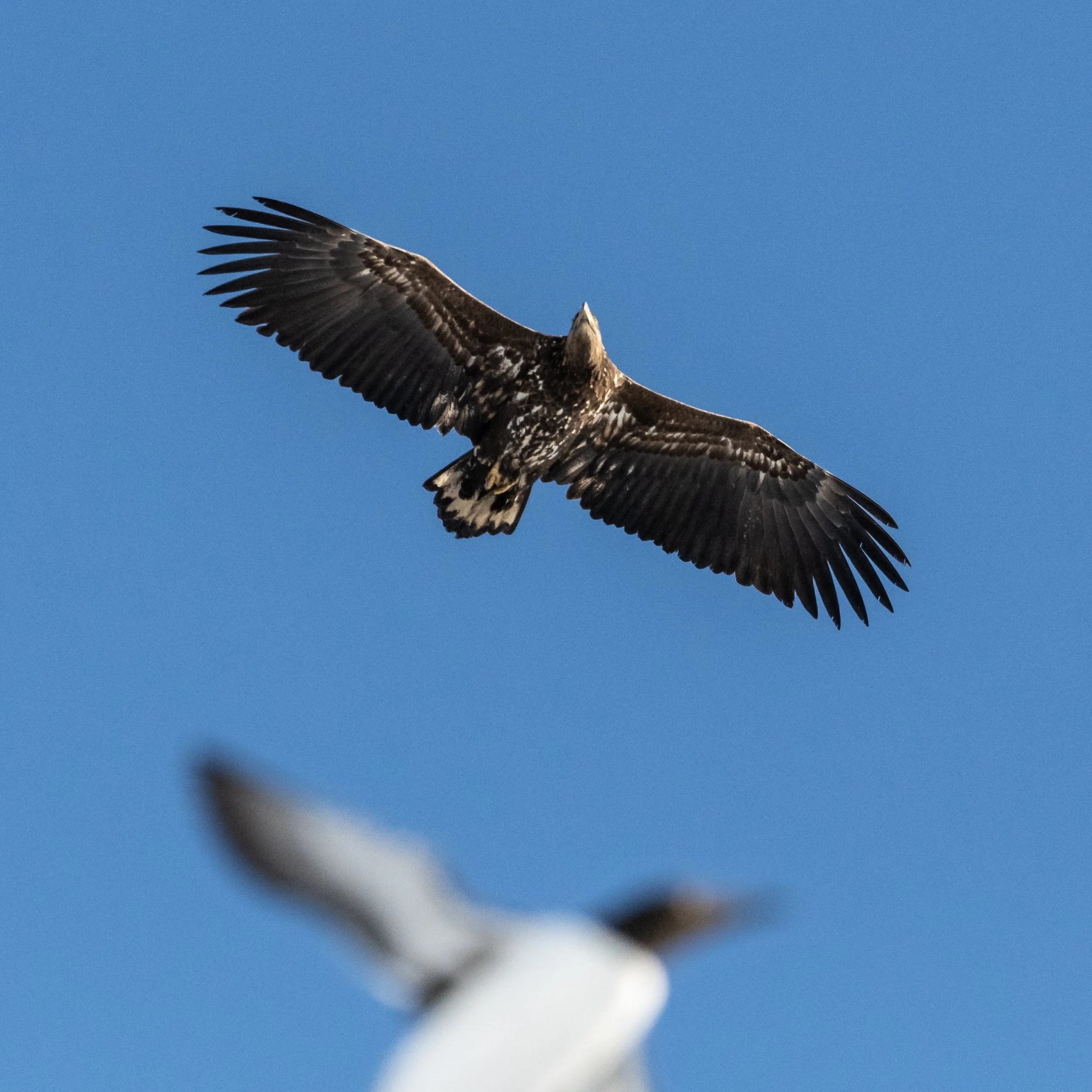
Group A: White-tailed Eagle Hide (two hides with different angles/backgrounds)
Group B: Floating Birdwatching Hide — water-level eider photography
Afternoon: flexible window for extra field time, location scouting, or a short image review/edit session
Evening: buffer for weather, rest, or a short “bonus light” run if conditions are good
Day 6 (April 18):
Floating hide + eagle hide (swap groups) + Ekkerøy cliffs
Swap experiences in the morning, then finish strong with coastal birds and dramatic landscapes.
Morning (split group swap):
Group A: Floating Birdwatching Hide
Group B: White-tailed Eagle Hide
Afternoon / evening: Ekkerøy
Kittiwake cliff + coastal “environmental” bird photography and passerines depending on conditions. Great chance for wider compositions and dramatic light.
Day 7 (April 19):
Wrap-up + departures
Key takeaways, next steps, and heading home with a solid set of images.
Short wrap-up: key takeaways + personal next steps (field + editing)
Transfers to Vardø Airport (VAW) for departures
Ambitions & Goals
This workshop is built for photographers who love birds and wildlife — whether you’re coming for your first real puffin experience, or you want to level up your technique and consistency.
By the end of the week, you should be able to:
Capture sharper portraits and behavior with cleaner backgrounds and stronger compositions
Improve hit rate on birds in flight (tracking, shutter strategy, timing, positioning)
Photograph puffins, eiders and coastal birds at water level with confident angles and separation
Handle fast-changing Arctic light and weather without losing control of exposure and focus
Build a cohesive set of images (not just random one-offs)
Use a simple, repeatable edit workflow for wildlife files (Lightroom + Photoshop)
Puffin & Arctic Wildlife Photography Workshop
April 13–19, 2027 (7 days / 6 nights)
Tickets: $4,900 per person
Start: April 13, 2027 at 3:00 PM
End: April 19, 2027 at 12:00 AM
Seven days and six nights of on-location puffin, Arctic bird, and wildlife photography in Varanger, Finnmark
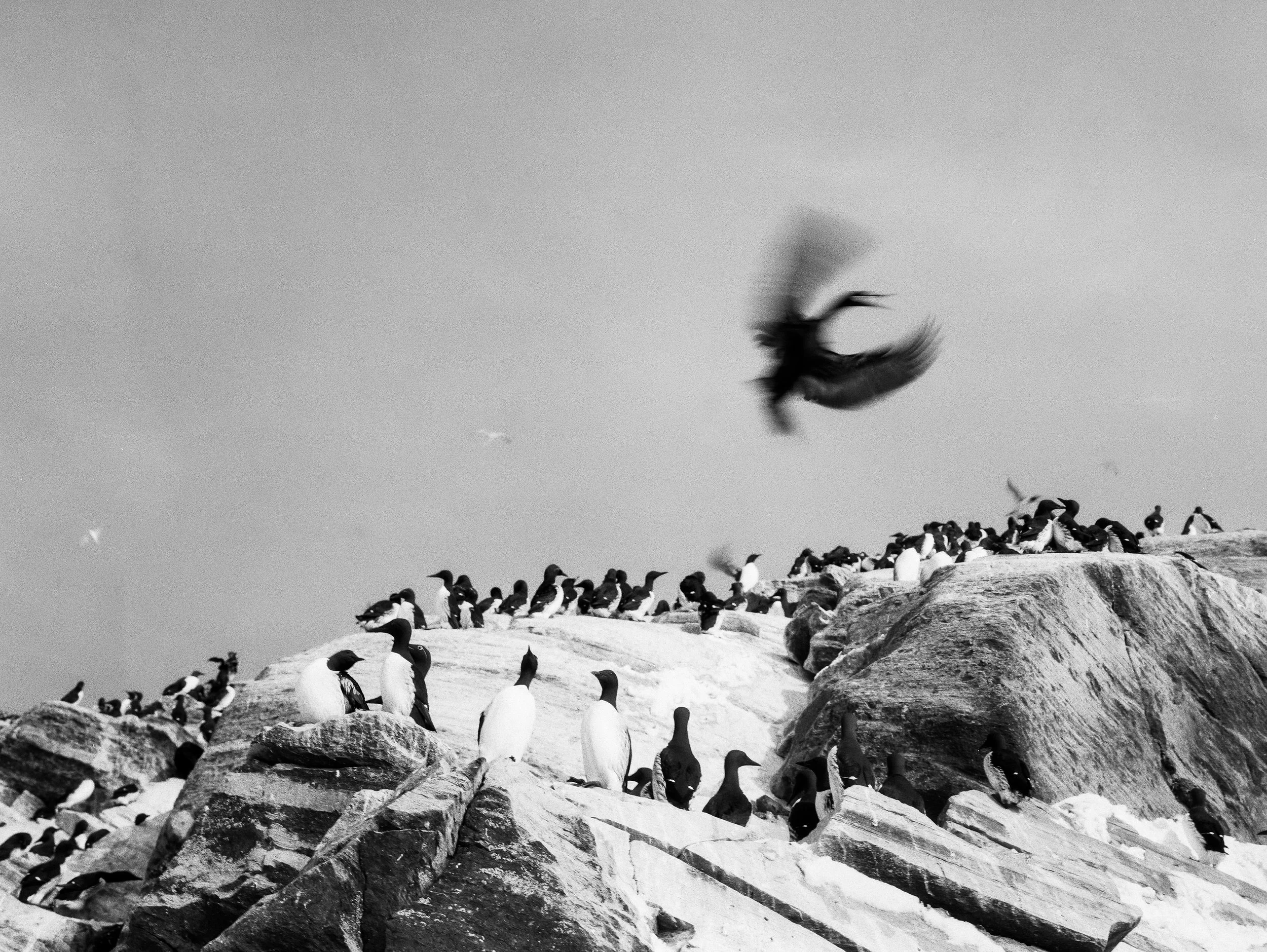
Access to Hornøya’s seabird cliffs with close-range opportunities for puffins and other seabirds, plus dedicated time for behavior, portraits, and birds-in-flight
A unique submarine bird and seal hide session for underwater perspectives (wildlife and conditions dependent)
Two instructors working closely with the group each day, with hands-on and individual guidance in the field
Maximum 12 participants (max 6 per instructor) for a personal, hands-on experience
Workshop transport throughout the week in vans, giving easy access to shooting locations around Vardø, Kiberg, and Ekkerøy
Included access and fees for all hides (floating hide + White-tailed Eagle hides + submarine hide)
A structured daily rhythm built around the best light, with flexible planning based on weather and wildlife activity
Optional image review and editing sessions during the week (Lightroom/Photoshop), plus 1:1 coaching when wanted
Access to a private WhatsApp group well in advance for travel tips, gear advice, and sharing work and questions leading up to the trip
Payment plan:
$600 deposit is paid at registration
The remaining balance will be invoiced about two months before the workshop begins.
Accommodation:We stay at Vardø Hotel for the full workshop (6 nights included)
Breakfast is included every day
Lunch and dinner are not included, but we’ll coordinate meals as a group (we’ll organize dinner each evening and keep lunches simple around the shooting plan)
We reserve rooms in advance to keep the group together and ensure availability during the spring season. Early reservation is recommended, as the workshop is limited to a small group and tends to fill up fast.

Meet the Instructors
-
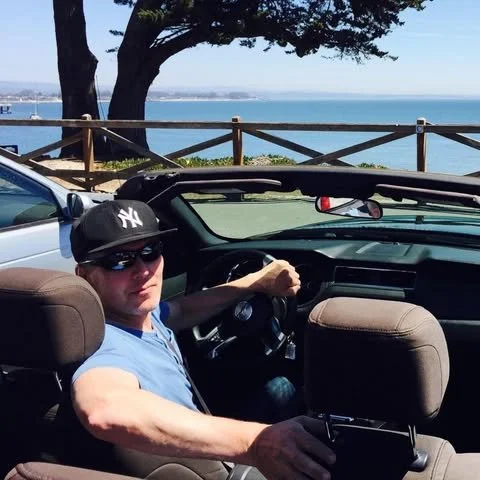
Bjørn is a versatile photographer with over 20 years of professional experience across genres including people, nature, and architecture. He is one of Norway’s most active photography instructors, teaching nationwide and internationally. His collaborations include Sandra Bartocha, Anna Ulmestrand, Otto von Münchow, and David Beckstead (USA).
Portfolio: joachimsenphotography.com
-
Terje is a full-time Norwegian photographer specializing in landscapes and cityscapes. He leads workshops in Norway, Paris, Italy, and the Dolomites, and knows Lofoten well from previous workshops there. His work is showcased through exhibitions and available as fine art prints.
Portfolio: terjephotography.com
FAQs
-
Seven days / six nights of on-location photography training with both instructors
Six nights of accommodation at Hotel Vardø
Breakfast at the hotel each day
Workshop transport throughout the week in vans
A structured plan with daily field sessions and a flexible approach based on weather and conditions
Hands-on guidance in the field (settings, focus, bird-in-flight technique, composition, backgrounds)
All hide access and hide fees included (floating hide + White-tailed Eagle hides + hare hide)
Optional image reviews and Lightroom Classic sessions during the week
Practical support before the trip (gear advice, planning tips, and what to expect in spring Varanger)
-
Flights to/from Vardø Airport (VAW)
Lunch and dinner (we’ll coordinate group dinners, but meals are paid individually)
Personal travel insurance (required)
Alcohol, snacks, and personal purchases
-
We stay at Vardø Hotel for the full workshop.
Room preferences (single/shared) can be coordinated after booking so we can plan properly and keep the group together.
-
We start and finish at Vardø Airport (VAW).
After you register, you’ll receive a practical info sheet with recommended flight arrival/departure windows, meeting point details, and what to pack for Arctic spring conditions.
-
Flights on the route Oslo – Kirkenes (KKN) – Vardø (WAV) (connecting flight) are usually available to book from mid-April 2026. Check sas.no for schedules and availability.
Please wait to book flights until your spot on the workshop is confirmed.
-
Most days are built around the best light and safest conditions, with flexibility to adapt to weather. A typical day may include:
Morning field session
Midday break (warm-up, travel, scouting, optional review, or rest)
Afternoon / evening session
Dinner together as a group at the hotel (we’ll organize it)
Optional short review/edit session on selected evenings
-
We travel together in workshop vans. This makes it easy to reach locations without stress and reduces parking/logistics issues. We adjust routes based on road conditions, wind, and safety. Transport also includes boat trips to Hornøya (weather permitting).
-
This isn’t a hiking-heavy workshop, but expect short walks on uneven terrain (coastlines, paths, some rocky sections). Surfaces can be wet or slippery, so solid boots are important. On Hornøya, most photo spots are about 30–150 meters from the landing bridge, on flat terrain at the base of the bird cliffs.
-
Arctic weather is part of the experience — and we plan for it. If conditions shift, we adapt by changing locations and timing to match wind, cloud level, and visibility. Dramatic weather often produces the best images.
You’ll still get strong shooting opportunities — and often the “bad weather” days become the most dramatic images.
-
This workshop works well for enthusiastic beginners through advanced photographers. It helps if you’re comfortable with basic camera controls (aperture, shutter speed, ISO). If you’re newer, we’ll build strong foundations. If you’re experienced, we’ll push refinement and consistency.
If you’re unsure about gear or level, send us a note — we’ll help you pack smart and set expectations.
-
Yes — you can bring a plus one, but since spaces are limited they’ll need to register and pay the full workshop price. If you share a room, we can coordinate that in accommodation planning.
-
When you register, a $600 deposit will be charged to secure your spot.
The remaining balance will be invoiced about two months before the workshop begins.
-
The $600 deposit is normally non-refundable because we reserve accommodation and transport early. If you cancel and we’re able to fill your spot with a replacement participant, we will refund your deposit minus a 10% administration fee. Please let us know as early as possible if you need to cancel.
-
Recommended kit:
Camera (mirrorless/DSLR) with good AF
Telephoto lens (ideal: 70-200mm, 200–600mm, 100–400mm, 300/400 primes)
Standard zoom (useful for flexibility + environmental shots)
Wide-angle lens (Hornøya can be surprisingly close, plus landscapes)
Optional tripod
Extra batteries + charger (cold drains them faster)
Plenty of memory cards
Rain cover + lens cloths (salt spray and weather happen)
-
Pack for cold wind and wet conditions:
Layering system (base + insulation + shell)
Windproof/waterproof outer layer
Warm boots with solid grip
Hat, buff/neck gaiter
Gloves (warm pair + thinner “camera pair”)
Optional: hand warmers, microspikes if icy
-
Very close. Outside the protected zones and within the designated visitor areas, it’s often possible to photograph puffins, European shags, kittiwakes, razorbills, and guillemots at distances as close as 2–3 meters. The exact distance varies with conditions and bird activity, but Hornøya is known for exceptionally close photo opportunities.
-
If you have more questions regarding the workshop, don’t hesitate to contact us at: terje@terjephotography.com
Puffin & Arctic Wildlife Photography Workshop
Puffin & Arctic Wildlife Photography Workshop
Puffin & Arctic Wildlife Photography Workshop
April 13–19, 2027 (7 days / 6 nights)
Tickets: $ 4,900 per person
More workshops
If Puffin ans Arctic Wildlife is on your list, you might also like these upcoming workshops:
Musk Ox Autumn Nature Photography Workshop – Musk ox, mountain landscapes, and autumn light
Lofoten Northern Lights and Polar Night Workshop - Northern lights, polar light and coastal landscapes
Northern Norway Landscape Photography Workshop – Big landscapes, coastlines, and wild weather
Dolomites Photography Workshop (Italy – October) – Autumn colour, quieter trails, and dramatic light
Venice Photography Workshop – Architecture, canals, reflections, and night photography
Florence & Cinque Terre Photography Workshop – Cityscapes, coastline villages, and golden-hour views
Paris Photography Workshop – Street, architecture, and blue-hour city scenes